
Food Market Tours in Europe offer a captivating blend of culinary exploration and cultural immersion. From bustling indoor markets overflowing with vibrant produce to charming farmers’ markets showcasing regional specialties, a European food market tour promises a sensory feast. These vibrant hubs are more than just places to shop; they’re living, breathing representations of local traditions, offering a glimpse into the heart and soul of European cities.
This journey delves into the diverse culinary landscapes, unique market experiences, and practical planning tips for an unforgettable food-focused adventure.
Europe’s diverse culinary landscape is a treasure trove waiting to be explored. Imagine wandering through the fragrant aisles of a Florentine market, sampling fresh pasta and artisanal cheeses, then later strolling through a Parisian marché, captivated by the artistry of patisserie and the bounty of seasonal fruits. Each market tells a story, reflecting the region’s history, agriculture, and culinary heritage.
This exploration will highlight the best cities for food market tours, the unique characteristics of various markets, and the sensory experiences that await.
Introduction to Food Market Tours in Europe
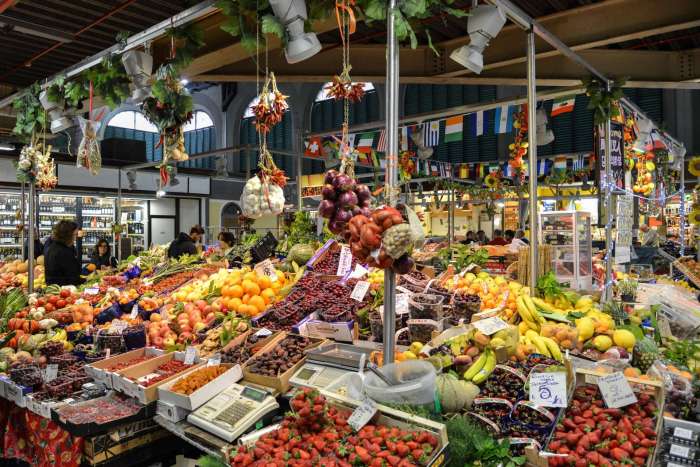
Exploring Europe’s vibrant food markets offers a uniquely immersive travel experience, going beyond typical sightseeing to engage with the heart and soul of local cultures. A food market tour provides a direct connection to the region’s culinary heritage, allowing travelers to sample diverse flavors, interact with passionate producers, and witness the bustling atmosphere that defines these essential community hubs.
It’s a sensory adventure that awakens the palate and fosters a deeper understanding of European gastronomy.Europe boasts an incredibly diverse culinary landscape, shaped by centuries of history, geography, and cultural exchange. From the sun-drenched Mediterranean coastlines, renowned for their fresh seafood and vibrant produce, to the rustic farmlands of central Europe, famous for hearty stews and traditional cheeses, each region offers a unique culinary identity.
Northern Europe’s emphasis on seafood and foraged ingredients contrasts sharply with the rich, spice-infused dishes of Eastern Europe. This diversity makes a food market tour an endlessly rewarding experience, with new discoveries awaiting around every corner.
Types of Food Markets in Europe
European food markets are not a monolithic entity; they exist in a variety of forms, each offering a distinct atmosphere and experience. Understanding these differences helps travelers choose the market that best suits their interests and preferences.
- Farmers’ Markets: These markets, often held outdoors, showcase locally sourced produce, meats, cheeses, and baked goods directly from the farmers and producers. They are ideal for experiencing the freshest, seasonal ingredients and engaging with the people who cultivate them. A classic example would be the many farmers’ markets found throughout rural France, where local farmers display their bounty alongside artisanal cheeses and bread.
- Indoor Markets: Indoor markets, often housed in historic buildings, provide a vibrant and sheltered environment, regardless of the weather. They frequently offer a wider variety of goods, including international products alongside local specialties. The Mercado de San Miguel in Madrid, Spain, is a prime example of a bustling indoor market offering an array of tapas, seafood, and other delicacies.
- Specialty Markets: These markets focus on a particular type of food or product, creating a niche experience for discerning foodies. Examples include cheese markets, fish markets, or even markets dedicated entirely to chocolate or spices. The Borough Market in London, while offering a wide variety of goods, is also a prime example of a market with a strong focus on specialty foods and artisanal producers.
Top European Cities for Food Market Tours
Europe boasts a rich tapestry of culinary traditions, and exploring these through its vibrant food markets offers an unparalleled sensory experience. From the freshest seafood to artisan cheeses and exotic spices, a food market visit provides a deeper understanding of a city’s culture and gastronomy than any restaurant could. This section highlights five European cities renowned for their exceptional food markets, offering a glimpse into the diverse culinary landscapes they represent.
Top Five European Cities for Food Market Experiences, Food Market Tours in Europe
Choosing just five cities is challenging, given Europe’s abundance of incredible food markets. However, these five stand out for their variety, history, and the overall immersive experience they offer visitors. Each city offers a unique culinary journey, reflecting its distinct cultural heritage and regional specialties.
| City | Market Name | Speciality | Notable Features |
|---|---|---|---|
| Barcelona, Spain | La Boqueria Market | Fresh seafood, cured meats, fruits, vegetables, and vibrant tapas ingredients. | A bustling, colorful market with a wide array of stalls, offering a sensory overload of sights, sounds, and smells. Its history dates back to the 13th century. |
| Barcelona, Spain | Mercat de Santa Caterina | High-quality produce, local cheeses, and prepared foods. | Known for its stunning, modern undulating roof made of colorful ceramic tiles, offering a unique architectural element alongside the traditional market experience. |
| Barcelona, Spain | Mercat de la Concepció | Local produce, artisan products, and a strong emphasis on sustainable and organic options. | A smaller, more intimate market showcasing the commitment to locally sourced ingredients and sustainable practices. It offers a more relaxed atmosphere compared to the larger markets. |
| Paris, France | Marché des Enfants Rouges | Diverse range of cuisines, including French classics, international dishes, and gourmet food items. | The oldest covered market in Paris, offering a historic setting and a diverse selection of food stalls. It’s a great place to sample a wide variety of culinary offerings. |
| Paris, France | Marché Bastille | Wide selection of fresh produce, cheeses, meats, and baked goods. | A large, open-air market held weekly, offering a lively atmosphere and a wide selection of local products. It’s known for its bustling energy and wide variety of goods. |
| Paris, France | Marché Aligre | Antique and vintage items alongside fresh produce and food stalls. | A unique blend of a flea market and a food market, offering a chance to discover both unique treasures and delicious culinary delights in one location. |
| Florence, Italy | Mercato Centrale | Tuscan specialties like cheeses, cured meats, pasta, and olive oil. | Located in a historic building, this market combines traditional food stalls with modern culinary experiences, including cooking classes and high-end restaurants. |
| Florence, Italy | San Lorenzo Market | Leather goods, souvenirs, and street food alongside some fresh produce stalls. | A bustling market known for its leather goods and souvenirs, but also offering a range of street food options, providing a taste of Florentine street cuisine. |
| Florence, Italy | Mercato di San Ambrogio | Fresh produce, local delicacies, and a lively atmosphere. | A vibrant, local market with a strong emphasis on fresh, seasonal produce and a more authentic Florentine experience. |
| Amsterdam, Netherlands | Albert Cuyp Market | Diverse range of foods, from Indonesian cuisine to Dutch street food and fresh produce. | One of the largest and most vibrant markets in Amsterdam, offering a mix of food, clothing, and other goods. It reflects the multicultural nature of the city. |
| Amsterdam, Netherlands | Ten Kate Market | Organic produce, artisan cheeses, and sustainable food options. | A smaller, more specialized market focusing on organic and sustainable products, offering a unique selection of high-quality ingredients. |
| Amsterdam, Netherlands | Dappermarkt | Suriname and Indonesian influences alongside fresh produce and Dutch specialties. | Known for its multicultural atmosphere and diverse culinary offerings, reflecting Amsterdam’s rich ethnic tapestry. |
| London, England | Borough Market | Wide array of gourmet foods, from artisan cheeses and breads to international cuisines. | One of London’s oldest and most famous food markets, offering a high-quality selection of products from around the world. It’s a renowned destination for food lovers. |
| London, England | Maltby Street Market | Street food, craft beers, and artisan goods. | A trendy, urban market known for its vibrant street food scene and selection of craft beers. |
| London, England | Broadway Market | A mix of food stalls, artisan crafts, and vintage finds. | A vibrant, eclectic market offering a unique blend of food, crafts, and vintage items. |
Embarking on a food market tour in Europe is more than just a culinary adventure; it’s a journey into the heart of local culture and tradition. The vibrant sights, sounds, and smells create an unforgettable sensory experience, leaving you with a deeper appreciation for European cuisine and the communities that nurture it. Whether you’re a seasoned foodie or a curious traveler, exploring these markets offers a unique and rewarding way to connect with the soul of Europe, one delicious bite at a time.
Plan your trip, savor the flavors, and create memories that will last a lifetime.
FAQ Section
How much does a food market tour typically cost?
Costs vary greatly depending on the tour operator, duration, and included activities. Expect to pay anywhere from a few hundred to several thousand euros for a comprehensive tour.
What language will the tour guides speak?
Most reputable tour operators offer tours in English, but it’s always advisable to check beforehand. Some tours may also offer multilingual guides.
Are food market tours suitable for families with children?
Many food market tours are family-friendly, but it’s essential to check the specific tour details. Some tours may be more suitable for older children due to pace or content.
What should I wear to a food market tour?
Comfortable walking shoes are essential. Dress in layers as the weather can change unexpectedly. Consider a light backpack for carrying purchases.


