
Best Lantern Festivals in Asia sets the stage for an enthralling exploration of vibrant cultural traditions and breathtaking spectacles. This journey delves into the history, significance, and unique characteristics of some of Asia’s most captivating lantern festivals, offering a glimpse into the artistry, rituals, and community spirit that define these events. From the dazzling displays of meticulously crafted lanterns to the captivating atmosphere of illuminated streets, we uncover the magic that awaits travelers seeking unforgettable experiences.
We will examine top festivals across various Asian countries, comparing their unique features, scales, and durations. Practical travel advice, including visa information, transportation options, and budgeting tips, will ensure a smooth and enjoyable journey. Beyond the festivals themselves, we’ll explore the vibrant urban destinations nearby, delving into their unique architectural styles, culinary delights, and hidden gems. This guide aims to provide a comprehensive resource for anyone planning an unforgettable Asian adventure centered around these luminous celebrations.
Best Lantern Festivals in Asia
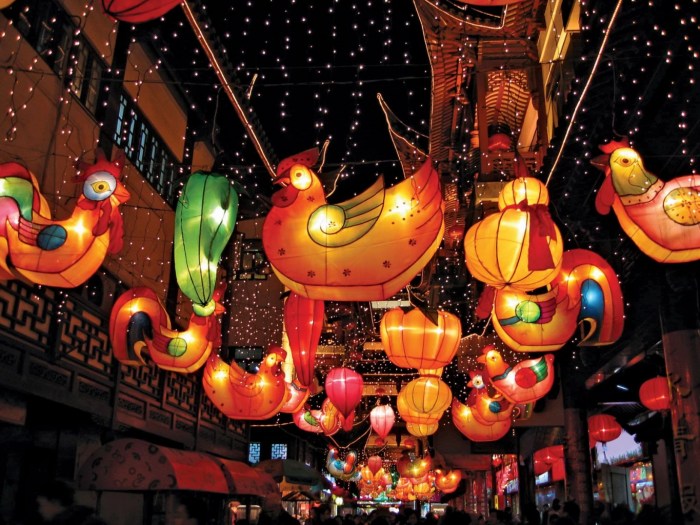
Asian lantern festivals are captivating spectacles of light, color, and culture, drawing millions of visitors each year. These events are more than just pretty lights; they are deeply rooted in the traditions and beliefs of various Asian countries, offering a unique blend of artistry, spirituality, and community celebration. The festivals often mark significant religious or cultural events, providing a vibrant backdrop for family gatherings, cultural performances, and the expression of hopes and wishes for the coming year.The cultural significance of lantern festivals varies across Asia.
In many Buddhist-majority countries, lanterns symbolize enlightenment and the release of negative energy. In some regions, they are associated with harvest festivals, celebrating bountiful crops and expressing gratitude. Others mark significant historical events or commemorate ancestors. The common thread, however, is the widespread use of illuminated lanterns—from simple paper creations to elaborate artistic displays—to create breathtaking and unforgettable experiences.
Top Asian Lantern Festivals
The following table highlights some of the most renowned lantern festivals across Asia. Note that dates can vary slightly from year to year, so it’s advisable to check local event listings closer to the actual dates.
| Country | Festival Name | Dates (Approximate) | Notable Features |
|---|---|---|---|
| Taiwan | Pingxi Sky Lantern Festival | Usually around the Lantern Festival (15th day of the Lunar New Year) | Thousands of sky lanterns are released into the night sky, each carrying written wishes. The festival is known for its magical atmosphere and stunning visuals. |
| Thailand | Yi Peng Festival (Chiang Mai) | Usually in November | Hundreds of khom loy (hot air lanterns) are released, creating a mesmerizing spectacle against the backdrop of ancient temples. The festival combines the beauty of lanterns with traditional Thai culture and ceremonies. |
| Philippines | Panagbenga Festival (Baguio City) | Usually in February | While not solely a lantern festival, the Panagbenga Festival features stunning flower floats and many nighttime parades incorporate illuminated lanterns, creating a vibrant and colorful display. |
| Vietnam | Hoi An Lantern Festival | Usually on the 14th day of the first lunar month | The ancient town of Hoi An is transformed into a magical world of light, with countless colorful lanterns adorning streets, houses, and bridges. The festival is known for its enchanting atmosphere and traditional crafts. |
| Japan | Toro Nagashi (Various Locations) | Dates vary by location and often tied to local festivals | Paper lanterns are floated down rivers, symbolizing the sending away of misfortune and wishes for good fortune. The sight of hundreds of lanterns drifting on the water is both peaceful and beautiful. |
| China | Various Lantern Festivals (Multiple Cities) | Usually around the Lantern Festival (15th day of the Lunar New Year) | Celebrations vary across the country but generally involve elaborate lantern displays, parades, and traditional performances. Many cities create stunning light shows and intricate lantern designs. |
| South Korea | Yeon Deung Hoe (Seoul) | Usually around the Lantern Festival (15th day of the Lunar New Year) | This Buddhist temple lantern festival features beautiful and elaborate lanterns displayed in temples and throughout the city. It’s a celebration of light and Buddhist culture. |
Festival Details
The following sections delve deeper into the history, traditions, and unique aspects of several prominent lantern festivals across Asia. Each festival boasts a rich cultural heritage and offers a captivating spectacle of light and artistry. Understanding these nuances allows for a more profound appreciation of the diverse expressions of Asian culture.
Yi Peng Lantern Festival, Chiang Mai, Thailand
Yi Peng, also known as the Festival of Lights, is a significant Northern Thai Buddhist festival held annually during the full moon of the 12th lunar month (typically in November). Its origins are intertwined with the Loy Krathong festival, though Yi Peng focuses specifically on releasing sky lanterns (khom loy). These large, hot air lanterns, often crafted from paper and bamboo, carry messages of good fortune and release into the night sky, creating a breathtaking display.
The release of the lanterns symbolizes letting go of past grievances and welcoming good fortune. Alongside the lantern release, traditional merit-making activities are common, reflecting the deep Buddhist roots of the celebration.
Pingxi Sky Lantern Festival, Taiwan
The Pingxi Sky Lantern Festival, held annually in Taiwan during the Lantern Festival (the 15th day of the first lunar month), is a vibrant spectacle attracting thousands of visitors. Unlike Yi Peng, where the focus is on personal reflection, Pingxi encourages writing wishes and dreams onto the lanterns before their release. This communal act of hope and aspiration makes it a uniquely participatory event.
The lanterns themselves are often larger and more elaborately decorated than those used in Yi Peng, incorporating bright colours and intricate designs. The festival’s history is rooted in local folklore and the belief that releasing lanterns helps carry prayers to the heavens.
Holi Festival, India (Though not solely a lantern festival, lanterns are significantly incorporated)
While not exclusively a lantern festival, Holi, the Hindu festival of colours, incorporates the use of lanterns (diya) significantly. Celebrated in late winter or early spring, Holi signifies the victory of good over evil, and the arrival of spring. The lanterns, often small clay oil lamps, are lit during the evening celebrations, illuminating homes and streets. The colourful festivities and the symbolic use of light and fire in the lanterns create a unique and joyful atmosphere.
Unlike the primarily sky lantern festivals, Holi’s lantern usage is more integrated into the broader celebratory context.
Comparative Table of Lantern Festivals
The following table highlights key differences between Yi Peng, Pingxi, and Holi regarding scale, duration, and main activities.
| Festival | Scale | Duration | Main Activities |
|---|---|---|---|
| Yi Peng | Regional (Chiang Mai, Thailand) | One night | Sky lantern release, merit-making |
| Pingxi Sky Lantern Festival | Local (Pingxi, Taiwan) | One night | Sky lantern release with written wishes, local performances |
| Holi | National (India) | Two days | Colour throwing, bonfires, diya lighting |
Travel Planning & Logistics for Lantern Festival Experiences: Best Lantern Festivals In Asia
Attending Asia’s spectacular lantern festivals requires careful planning to ensure a smooth and memorable experience. This section details practical travel tips covering visa requirements, transportation options, accommodation choices, and budgeting strategies to help you navigate your journey. We’ll also Artikel essential packing items and provide a framework for planning a multi-city itinerary that incorporates multiple festivals.Planning your trip involves considering several key logistical aspects.
Understanding these factors will contribute significantly to a successful and enjoyable festival experience.
Visa Requirements
Visa requirements vary significantly depending on your nationality and the country you plan to visit. It is crucial to check the specific visa requirements for each country well in advance of your travel dates. Websites like the official immigration websites of the respective countries or your own country’s embassy websites are reliable sources for this information. For example, citizens of many Western countries may require a visa for entry into countries like Thailand or Vietnam, while others may be eligible for visa-free entry or visa-on-arrival.
Allow ample processing time for visa applications, as delays can disrupt your travel plans.
Transportation Options
Reaching the festival locations often involves a combination of international and domestic flights, trains, and buses. Booking flights and train tickets in advance, particularly during peak season, is highly recommended to secure the best prices and availability. Local transportation within the festival cities can range from taxis and ride-hailing services to public buses and metro systems. Researching transportation options beforehand and considering factors like cost, convenience, and travel time will help optimize your journey.
For example, using a combination of high-speed rail and local buses might be a cost-effective way to travel between different festival locations.
Accommodation Options
Accommodation choices vary widely, from budget-friendly hostels and guesthouses to luxurious hotels. Booking accommodation in advance is strongly advised, especially if you’re traveling during peak season. Consider factors like proximity to the festival venue, amenities, and budget when making your choice. Websites like Booking.com, Agoda, and Airbnb offer a wide range of options to suit different preferences and budgets.
For example, staying in a guesthouse near the festival site could offer a more immersive experience, while a hotel further away might provide more tranquility.
Budgeting Considerations
Budgeting for a lantern festival trip involves factoring in costs for flights, accommodation, transportation, food, activities, and souvenirs. Creating a detailed budget beforehand will help you manage your expenses effectively. Consider setting aside a contingency fund to cover unexpected costs. The overall cost will vary significantly depending on your travel style, the length of your trip, and the number of festivals you plan to attend.
For example, a week-long trip to two festivals could range from a few hundred to several thousand dollars depending on your choices.
Essential Packing Items
Preparing a well-thought-out packing list is crucial for a comfortable and enjoyable trip. The climate can vary significantly across Asia, so pack appropriate clothing for the expected weather conditions.
- Comfortable walking shoes: You’ll be doing a lot of walking.
- Lightweight, breathable clothing:
- Rain gear: Unexpected showers are possible.
- Sunscreen and a hat: Protect yourself from the sun.
- Insect repellent: Mosquitoes can be prevalent.
- Universal adapter: For charging electronic devices.
- Copies of important documents: Passport, visa, tickets, etc.
- Basic first-aid kit:
- Small backpack or day bag: To carry essentials during the festival.
- Camera: To capture the breathtaking sights.
Planning a Multi-City Itinerary
Incorporating multiple lantern festivals into a single trip requires careful planning and consideration of travel time between locations. Research the dates of the festivals you wish to attend and factor in travel time between cities. Utilize online mapping tools and transportation websites to estimate travel times and costs. For example, you could plan a trip that includes the Yi Peng Lantern Festival in Chiang Mai, Thailand, followed by the Pingxi Sky Lantern Festival in Taiwan, allowing sufficient time for travel between the two locations.
Consider using a combination of flights and high-speed rail for efficient travel between cities.
Beyond the Festivals
Exploring the vibrant urban landscapes surrounding Asia’s spectacular lantern festivals offers a unique blend of cultural immersion and modern city life. These destinations, often bustling hubs of activity, provide a compelling counterpoint to the serene beauty of the festivals themselves, offering a diverse range of experiences for the discerning traveler. This section delves into the urban tapestry of several key Asian cities, examining their nightlife, shopping, architecture, street food, and hidden gems.
Nightlife Comparisons: Three Asian Cities
The nightlife in Asian cities near lantern festivals varies dramatically. Bangkok, often associated with its vibrant street food scene, also boasts a sophisticated cocktail culture in rooftop bars offering stunning city views. The energy is palpable, with a mix of local and international crowds enjoying diverse entertainment options. In contrast, Taipei’s nightlife is more refined, featuring trendy clubs, live music venues, and a thriving pub scene catering to a younger, more cosmopolitan demographic.
Finally, Hoi An, while possessing a more laid-back atmosphere, offers charming bars and restaurants along the Thu Bon River, creating a tranquil and romantic ambiance ideal for evening strolls. These cities each present a unique flavor, reflecting their individual cultures and demographics.
Shopping Guides: A City-by-City Breakdown
Understanding the shopping landscape of each city is crucial for a fulfilling trip. Bangkok offers a vast array of shopping experiences, from the high-end malls of Siam Paragon, showcasing international luxury brands, to the bustling street markets of Chatuchak Weekend Market, brimming with affordable clothing, handicrafts, and souvenirs. Taipei provides a similar range, with upscale department stores in Ximending juxtaposed against the quirky independent boutiques and night markets of Shilin.
Hoi An, meanwhile, is renowned for its tailor shops, where bespoke clothing can be crafted at remarkably affordable prices, alongside the traditional lanterns and handicrafts sold throughout its ancient streets.
Architectural Styles: A Visual Journey, Best Lantern Festivals in Asia
The architectural styles of these cities are as diverse as their cultures. Bangkok is a captivating blend of ancient temples exhibiting intricate Khmer and Thai architectural influences, alongside modern skyscrapers showcasing contemporary design. Wat Arun, with its towering prang (spire) covered in colorful porcelain, stands in stark contrast to the sleek glass and steel of the Mahanakhon skyscraper.
Taipei, in contrast, is defined by a mix of traditional Chinese architecture, visible in its temples and older residential areas, and modern high-rises, exemplified by Taipei 101, a former world’s tallest building known for its unique bamboo-inspired design. Hoi An’s architecture, influenced by Chinese, Japanese, and European styles, is characterized by its colorful shophouses lining narrow streets, reflecting its rich trading history.
Street Food and Market Experiences
Each city offers a unique culinary journey. Bangkok’s street food scene is legendary, with countless vendors offering a dizzying array of dishes, from Pad Thai and green curry to exotic fruits and desserts. The markets, such as Or Tor Kor Market, showcase the freshest ingredients and prepared foods. Taipei’s night markets, such as Shilin and Raohe Street Night Market, are vibrant hubs of culinary activity, with diverse options ranging from stinky tofu to bubble tea.
Hoi An’s street food is characterized by its fresh seafood, Cao Lau noodles, and White Rose dumplings, often enjoyed while strolling along the river.
City Travel Hacks: Navigating the Urban Maze
Navigating these cities efficiently requires understanding their transportation systems. Bangkok’s BTS Skytrain and MRT subway are efficient ways to traverse the city, while taxis and tuk-tuks offer a more adventurous, albeit potentially less predictable, experience. Taipei’s MRT system is highly efficient and user-friendly, covering most major areas. Hoi An is easily walkable, but bicycles are a popular and enjoyable way to explore the city and surrounding countryside.
Understanding basic phrases in the local language can significantly enhance your experience in all three cities.
Unique Metro Adventures and Hidden Gems
Beyond the well-trodden tourist paths lie hidden gems. Bangkok’s canals (khlongs) offer a unique perspective on the city, with boat tours revealing a different side of the metropolis. Taipei’s numerous hiking trails offer stunning views of the city skyline and surrounding mountains. Hoi An’s ancient Japanese Covered Bridge is a tranquil oasis, offering a glimpse into the city’s rich history.
Notable Skyscrapers and Architectural Significance
Bangkok’s Mahanakhon, with its pixelated design, represents a bold statement of contemporary architecture, contrasting sharply with the traditional temples. Taipei 101, with its innovative damper system and iconic design, symbolizes technological advancement and architectural ingenuity.
Urban Photography Tips: Capturing the City’s Essence
Bangkok: Capture the vibrant colors of the street markets and temples during the golden hour. Taipei: Use long exposures to capture the city’s dynamic energy at night. Hoi An: Focus on the intricate details of the ancient architecture and the soft light reflecting on the river.
Urban Parks and Green Spaces
Bangkok’s Lumpini Park provides a welcome respite from the city’s bustle, offering a large green space for relaxation and recreation. Taipei’s Da’an Forest Park offers a tranquil escape amidst the urban landscape. Hoi An’s numerous small parks and gardens offer a peaceful setting to appreciate the city’s charm.
Visual Representation
The lantern festivals of Asia are a breathtaking spectacle, a vibrant tapestry woven from light, color, and intricate artistry. The sheer visual impact of thousands of lanterns illuminating the night sky is unforgettable, a feast for the eyes that transcends cultural boundaries. The lanterns themselves, far from being simple light sources, are works of art, each telling a unique story through its design and craftsmanship.Lanterns at these festivals showcase a dazzling array of colors, from the bold reds and golds symbolizing prosperity and good fortune, to the softer pinks and blues representing tranquility and peace.
Intricate designs, often depicting mythical creatures, auspicious symbols, or scenes from nature, adorn the lantern surfaces, transforming them into miniature canvases of artistry. These designs are not just decorative; they hold deep cultural significance, often reflecting local traditions, beliefs, and stories.
Lantern Construction Materials and Techniques
The creation of these stunning lanterns involves a variety of materials and techniques, passed down through generations of artisans. Three prominent examples illustrate the diversity and skill involved. First, paper lanterns, a ubiquitous sight at these festivals, are constructed from thin, translucent rice paper stretched over a bamboo or wire frame. The paper, often hand-painted or silk-screened, allows the light to diffuse softly, creating a warm and inviting glow.
The delicate nature of the paper requires careful handling and precise craftsmanship to ensure the lantern’s structural integrity.Second, silk lanterns, often more elaborate and expensive, represent the pinnacle of lantern-making artistry. High-quality silk, sometimes embroidered with intricate details, is used to create luxurious and visually stunning lanterns. These lanterns often feature complex three-dimensional designs and are frequently used in ceremonial processions or displayed in prominent locations.
The use of silk elevates the lanterns to a level of artistry that goes beyond simple illumination.Third, metal lanterns, typically made from bronze or brass, offer a different aesthetic. These lanterns, often more durable and long-lasting, can be intricately carved or embossed with detailed patterns. They often feature intricate designs and are frequently used as decorative elements within festival displays or as permanent fixtures in temples and public spaces.
The reflective quality of the metal enhances the light emitted, creating a dazzling and shimmering effect.
Festival Atmosphere: Light, Sound, and Movement
A lantern festival night is a symphony of sights and sounds. Imagine a vast expanse, perhaps a temple courtyard or a city square, teeming with thousands of glowing lanterns. The light itself is magical; the soft glow of paper lanterns contrasts beautifully with the brilliant shine of metal ones, casting dancing shadows and creating an enchanting ambiance. The air hums with a gentle buzz, a collective murmur of excited conversations, joyous laughter, and the occasional traditional music.
The movement adds another layer of dynamism: lanterns bob gently in the breeze, creating a mesmerizing dance of light, while crowds of people meander through the illuminated space, their faces lit by the soft glow. The overall effect is a captivating blend of light, sound, and movement, an immersive experience that leaves a lasting impression on the senses.
Experiencing Asia’s best lantern festivals is more than just witnessing a beautiful display; it’s an immersion into rich cultures, vibrant communities, and breathtaking artistry. This journey through light and tradition offers a unique perspective on Asian heritage, showcasing the ingenuity and creativity embedded in each festival. Whether you’re captivated by the intricate designs of the lanterns, the enchanting atmosphere of illuminated streets, or the unique cultural rituals, these festivals promise an unforgettable experience.
We hope this guide inspires your own luminescent adventure across Asia.
FAQ Summary
What is the best time of year to visit these festivals?
Timing varies by festival; research specific dates for each festival you wish to attend, as they typically occur during autumn or winter months, often tied to lunar calendars.
How much should I budget for a trip to see a lantern festival?
Budget varies greatly depending on your travel style and chosen destinations. Consider flights, accommodation, food, activities, and visa costs. Research specific locations for accurate cost estimates.
Are these festivals family-friendly?
Generally, yes. Most lantern festivals are public events and welcome families. However, large crowds are common, so keeping children close is advisable.
What are some unique souvenirs I can buy at these festivals?
Expect to find handmade lanterns, local crafts, traditional foods, and festival-themed merchandise. Prices vary greatly depending on the item and location.


