
Music and Dance Festivals in Africa offer a vibrant tapestry of cultural expression, showcasing the continent’s diverse musical styles and captivating dance traditions. These festivals are not merely entertainment; they are deeply interwoven with the social fabric of African communities, serving as platforms for storytelling, spiritual expression, and community bonding. Their economic impact is also significant, boosting local economies through tourism and employment opportunities.
From the rhythmic pulse of traditional drumming to the electrifying beats of contemporary Afropop, the festivals reflect the continent’s rich history and dynamic present. The unique venues, often steeped in cultural significance, further enhance the experience, offering a captivating blend of performance and atmosphere. This exploration delves into the heart of these events, examining their cultural significance, economic impact, and role in shaping African identity.
The Role of Music and Dance in African Culture
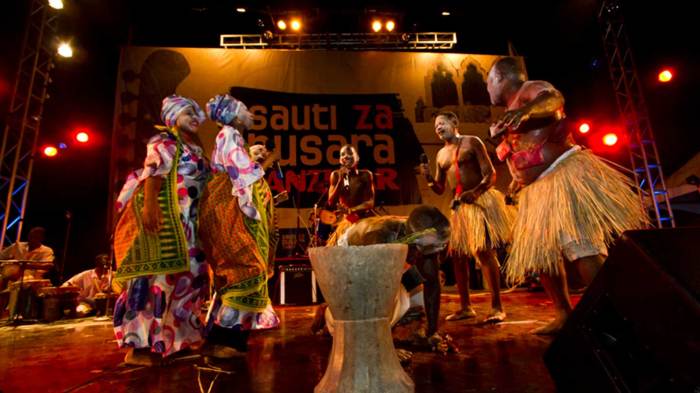
Music and dance are integral to the fabric of African societies, extending far beyond mere entertainment. They serve as powerful vehicles for social cohesion, historical preservation, spiritual expression, and political commentary, deeply intertwined with the daily lives and cultural identities of diverse communities across the continent. Their significance varies across regions and ethnic groups, reflecting the rich tapestry of African cultures.
Historically, music and dance played crucial roles in various aspects of African life. They accompanied rituals, ceremonies, and celebrations, marking significant life events such as births, marriages, and funerals. Dance served as a form of communication, storytelling, and social bonding, often reflecting the values, beliefs, and traditions of a particular community. Musical instruments, crafted from readily available materials, became integral parts of these cultural expressions, their sounds resonating with the rhythms of daily life.
Music and dance provided a shared experience, fostering a sense of community and collective identity.
Traditional and Contemporary Music and Dance Forms in Festivals
Traditional African music and dance forms are characterized by their unique rhythmic structures, melodic patterns, and stylistic movements. These forms often incorporate indigenous instruments, vocal styles, and choreographic elements passed down through generations. Contemporary forms, however, demonstrate a fusion of traditional styles with influences from other parts of the world, often incorporating modern instruments, technology, and performance techniques.
Festivals provide a platform showcasing both traditional and contemporary expressions, highlighting the dynamism and adaptability of African music and dance. For instance, traditional Zulu dances, characterized by their energetic movements and intricate footwork, often appear alongside contemporary adaptations incorporating elements of hip-hop or other genres. Similarly, traditional Yoruba drumming, known for its complex polyrhythms, may be blended with modern electronic music in contemporary festival performances.
Music and Dance as Vehicles for Social, Political, and Spiritual Messages
Music and dance in Africa are not merely aesthetic expressions; they frequently convey potent social, political, and spiritual messages. Songs can narrate historical events, convey social commentary, or express political dissent. Dance styles can represent social status, community affiliation, or spiritual beliefs. For example, protest songs during periods of colonial rule often utilized coded language and musical styles to convey resistance against oppressive regimes.
Similarly, many traditional dances incorporate symbolic movements that reflect spiritual beliefs and practices, communicating stories about creation myths, ancestral spirits, or religious rituals. Contemporary artists continue to utilize these mediums, adapting them to express contemporary social and political issues, ensuring the continued relevance of music and dance as powerful tools for social change and cultural preservation.
Visual Representation of the Evolution of a Specific African Dance Style
Consider the evolution of Gumboot dancing, originating in the South African gold mines.
Visual Description: A triptych image would effectively depict this evolution. The left panel shows a black and white photograph, evocative of early 20th-century photography, depicting a group of miners in their work clothes, performing a Gumboot dance in a dimly lit mine shaft. Their movements are relatively simple, focused on rhythmic footwork using their gumboots. The central panel shows a vibrant, color photograph of a Gumboot dance troupe performing in a more contemporary setting, perhaps an outdoor festival.
The dancers wear brightly colored, more stylized costumes, and their movements are more elaborate and expressive, incorporating elements of storytelling and theatrical performance. The right panel displays a digitally enhanced image, perhaps a video still, showing a contemporary Gumboot dance performance incorporating modern elements such as lighting effects, stage design, and perhaps even elements of other dance styles. The dancers’ costumes are even more flamboyant, and their movements are dynamic and acrobatic, showcasing a highly evolved and expressive form of the dance.
Economic and Social Impacts of Festivals
Music and dance festivals in Africa significantly contribute to the economic and social well-being of communities, generating employment, boosting tourism, and fostering cultural preservation. These events are not merely entertainment; they are vital engines for development, impacting livelihoods and shaping cultural identities.
Employment Opportunities Generated by Music and Dance Festivals, Music and Dance Festivals in Africa
Music and dance festivals create a wide array of employment opportunities across various sectors. These range from direct employment for musicians, dancers, and event organizers to indirect employment in hospitality, transportation, and local crafts. Festivals often require significant staffing for roles such as security personnel, catering staff, technicians, marketing and media teams, and volunteers. The ripple effect extends to the informal economy, with vendors selling food, drinks, crafts, and souvenirs benefiting substantially.
For example, the annual Djembefola festival in Guinea creates temporary jobs for hundreds of individuals, from musicians and dancers to food vendors and transportation providers. This influx of temporary employment significantly impacts local incomes, particularly in rural communities.
Impact of Tourism Related to Festivals on Local Economies
The tourism generated by music and dance festivals provides a significant economic boost to host communities. Visitors from both within and outside the country spend money on accommodation, transportation, food, and entertainment, directly benefiting local businesses and increasing revenue for the region. The influx of tourists also often leads to infrastructure improvements, such as better roads and accommodation facilities, further enhancing the long-term economic prospects of the area.
The increased visibility of a region due to a festival can also attract future investments and tourism, creating a sustainable economic impact that extends beyond the festival itself. For instance, the Cape Town Jazz Festival in South Africa draws thousands of international tourists annually, injecting millions of dollars into the local economy.
Role of Festivals in Promoting Cultural Preservation and Exchange
Music and dance festivals play a crucial role in preserving and promoting African cultural heritage. These events provide a platform for traditional artists to showcase their skills and share their cultural knowledge with a wider audience. The festivals also create opportunities for cultural exchange, bringing together artists and audiences from different backgrounds and fostering mutual understanding and appreciation.
By celebrating traditional music and dance forms, festivals help to keep these traditions alive and relevant for future generations. This preservation effort is crucial in a rapidly changing world where traditional cultures are often under threat. The Festival of the Arts in Harare, Zimbabwe, for example, actively showcases diverse traditional art forms, thereby fostering their continuation and appreciation.
Economic Benefits of Three Major Festivals
| Festival | Tourism Revenue (Estimate) | Job Creation (Estimate) | Other Economic Benefits |
|---|---|---|---|
| Djembefola Festival (Guinea) | $500,000 – $1 million | 500 – 1000 temporary jobs | Increased local craft sales, infrastructure improvements |
| Cape Town Jazz Festival (South Africa) | >$10 million | Thousands of temporary and permanent jobs | Significant international media exposure, increased tourism in the long term |
| Festival of the Arts (Zimbabwe) | $200,000 – $500,000 | 200 – 500 temporary jobs | Promotion of local artists, cultural preservation and exchange |
Top Urban Destinations in Africa Related to Festivals: Music And Dance Festivals In Africa
Africa boasts a vibrant tapestry of music and dance festivals, many centered in bustling urban areas with thriving nightlife scenes. These cities offer a unique blend of cultural immersion and exhilarating entertainment, attracting both local and international festival-goers. The energy and excitement generated by these events significantly contribute to the economic and social fabric of these urban centers.
Top Three Cities for Nightlife Experiences Related to Music Festivals
Three African cities stand out for their exceptional nightlife experiences intertwined with music festivals: Lagos (Nigeria), Accra (Ghana), and Cape Town (South Africa). Each city offers a distinct atmosphere and musical landscape, catering to diverse tastes and preferences. Lagos pulsates with Afrobeat rhythms and a dynamic energy, Accra provides a blend of highlife and contemporary sounds, while Cape Town showcases a more cosmopolitan mix, blending African sounds with international genres.
Lagos, Nigeria: A Travel Guide
Lagos, the bustling heart of Nigeria, offers an electrifying nightlife scene closely linked to its vibrant music festivals. Accommodation ranges from budget-friendly hostels to luxurious hotels, catering to all budgets. Transportation options include ride-hailing apps, taxis, and the public bus system (though navigating this can be challenging for first-time visitors). Local experiences include exploring the vibrant markets, indulging in delicious street food, and visiting historical landmarks.
The city’s diverse culinary scene offers a unique blend of local and international flavors. For festival-goers, experiencing a traditional Nigerian masquerade performance would offer a taste of local culture beyond the music.
Accra, Ghana: A Travel Guide
Accra, Ghana’s capital, offers a more relaxed yet equally exciting nightlife scene. Accommodation options include a variety of hotels and guesthouses, many located in the city center, offering easy access to nightlife hubs. Transportation is generally efficient, with taxis and ride-hailing services readily available. Local experiences include exploring the National Museum, visiting the vibrant Makola Market, and enjoying the beautiful beaches along the coast.
Accra’s music scene is rich and diverse, with opportunities to experience traditional Ghanaian music alongside modern genres. The vibrant arts scene also offers a rich cultural experience beyond the music festivals.
Cape Town, South Africa: A Travel Guide
Cape Town, South Africa’s iconic city, boasts a sophisticated nightlife and music festival scene, blending international influences with a distinctly African flavor. Accommodation choices range from budget-friendly hostels to luxurious hotels and boutique guesthouses. Transportation options include taxis, ride-hailing services, and a well-developed public transport system including the MyCiti bus network. Local experiences include exploring Table Mountain, visiting the vibrant V&A Waterfront, and enjoying the city’s beautiful beaches.
Cape Town offers a blend of African and international culinary experiences, ensuring a diverse range of dining options.
Five-Day Travel Itinerary: Lagos, Nigeria
This itinerary focuses on experiencing Lagos’s vibrant music festival scene and nightlife.Day 1: Arrival and settling into accommodation. Evening exploration of a local market and enjoying street food.Day 2: Attending a daytime music festival event, followed by exploring a specific nightlife district known for its live music venues.Day 3: Visiting a cultural landmark, followed by an evening of enjoying Afrobeat music at a popular club.Day 4: Exploring the city’s beaches and enjoying the relaxed atmosphere, followed by experiencing a different music genre at a diverse venue.Day 5: Departure.
Exploring Urban Aspects Beyond Festivals
African music and dance festivals offer a vibrant cultural experience, but the surrounding urban environments add another layer of richness to the journey. Exploring these cities beyond the festival grounds reveals fascinating architecture, delicious street food, and unique travel experiences. This section delves into the urban aspects of select African cities known for their vibrant festival scenes, providing insights into their architectural marvels, culinary delights, and practical travel tips.
Urban Architecture Tours
Several African cities boast impressive architectural landscapes reflecting diverse historical influences. For instance, Cape Town, South Africa, offers tours showcasing the striking juxtaposition of Victorian-era buildings and modern skyscrapers, with landmarks like the Company’s Garden and the iconic Table Mountain providing breathtaking backdrops. In Marrakech, Morocco, visitors can explore the intricate details of traditional riads (traditional Moroccan houses with interior courtyards), the Koutoubia Mosque, and the Bahia Palace, all showcasing stunning examples of Islamic architecture.
Nairobi, Kenya, presents a blend of colonial-era buildings and contemporary structures, with architectural tours highlighting sites like the Kenyatta International Conference Centre and the Nairobi National Museum. These tours often incorporate historical narratives, providing context and enriching the visitor experience.
Street Food and Markets Near Festival Venues
Festivals often coincide with bustling street food markets and vendors offering local culinary delights. Near festival venues in Accra, Ghana, one might find street food stalls selling kelewele (fried plantains), waakye (black-eyed peas and rice), and various grilled meats. In Dakar, Senegal, the vibrant street food scene offers thieboudienne (fish and rice), yassa (onion-based marinade with chicken or fish), and mafe (peanut stew).
These markets offer a chance to sample authentic African cuisine, experiencing the vibrant energy of local life. The proximity to festival venues makes it easy to grab a quick and delicious bite between performances.
City Travel Hacks and Metro Adventures
Navigating African cities during festivals requires strategic planning. In Johannesburg, South Africa, utilizing the Gautrain rapid rail system can significantly reduce travel time, especially during peak hours. Understanding the local bus routes and utilizing ride-hailing apps can also prove beneficial. In Lagos, Nigeria, navigating the city’s traffic requires patience and flexibility, with ride-hailing services or using the Lagos Bus Rapid Transit (BRT) system offering more efficient options.
For Marrakech, exploring the medina (old city) on foot is highly recommended, but understanding the layout and utilizing maps is essential. These travel hacks can help optimize travel time and enhance the overall festival experience.
Urban Photography Tips for Music Festivals
Capturing the atmosphere of African music festivals requires a keen eye and a few strategic approaches.
- Embrace the candid moment: Don’t just focus on posed shots; capture the spontaneous energy and interactions of the crowd.
- Play with light and shadow: Utilize natural light, especially during the golden hour, to create dramatic effects and enhance the vibrancy of colors.
- Experiment with different angles: Try shooting from low angles to capture the crowd’s energy or from high vantage points for a broader perspective.
- Focus on details: Capture the intricate details of traditional costumes, instruments, and body art to highlight the cultural richness of the festival.
- Edit thoughtfully: Enhance your photos with subtle edits to improve color, contrast, and sharpness, but avoid over-processing.
Urban Parks and Green Spaces Near Festival Venues
The proximity of urban parks and green spaces to festival venues significantly impacts the overall attendee experience and the environmental sustainability of the event. These green areas offer vital respite from the often intense and crowded festival atmosphere, providing spaces for relaxation, recharging, and informal socializing. Furthermore, strategically located parks can help mitigate some of the environmental consequences associated with large gatherings.
Many African cities hosting major music and dance festivals are incorporating green spaces into their urban planning, recognizing their dual role in enhancing the festival experience and promoting environmental responsibility. The integration of these green oases into the festival landscape is becoming increasingly important as both the scale and frequency of these events grow.
Examples of Urban Parks Near Festival Venues
The specific parks vary depending on the city and the festival venue. For instance, imagine a scenario in Nairobi, Kenya, where a large music festival takes place near Uhuru Park. This expansive green space offers attendees a place to escape the crowds, relax under the shade of trees, and enjoy a more tranquil atmosphere before returning to the vibrant energy of the festival.
Similarly, in Cape Town, South Africa, a festival held near the Company’s Garden could provide a similar refuge. These parks offer not only respite but also beautiful natural settings that complement the cultural experiences of the festivals. The availability and accessibility of these green areas are vital considerations in selecting festival locations.
The Role of Green Spaces in Enhancing the Festival Experience
Urban parks near festival venues serve as vital buffer zones, providing a much-needed respite from the high energy and often crowded environment of the festival itself. They offer attendees a chance to decompress, recharge, and connect with nature, thereby enhancing their overall experience. These spaces can also facilitate informal social interactions among attendees, fostering a sense of community beyond the main festival grounds.
The provision of amenities such as seating areas, shaded spaces, and possibly even food stalls within the park further enhances its appeal and functionality as a complement to the festival.
Environmental Sustainability and Large-Scale Music Festivals
Large-scale music festivals generate considerable waste and have a significant carbon footprint. The integration of nearby green spaces into the overall festival plan can play a crucial role in mitigating these environmental impacts. Parks can serve as areas for waste management and recycling initiatives, reducing the overall environmental burden. Furthermore, the presence of green spaces can contribute to a more aesthetically pleasing and less environmentally damaging event.
Promoting sustainable practices, such as using renewable energy sources and encouraging public transportation to reduce carbon emissions, are vital aspects of responsible festival organization. Initiatives such as tree planting around festival grounds and the use of biodegradable materials are additional steps toward creating environmentally sustainable events.
Visual Representation of an Ideal Urban Park Near a Festival Venue
Imagine a vibrant, sprawling park adjacent to a festival venue. The park features a diverse range of trees providing ample shade, creating pockets of quietude amidst the bustling festival atmosphere. Well-maintained pathways meander through the park, connecting different areas and offering easy access for attendees. Designated relaxation zones with comfortable seating, perhaps made from recycled materials, are strategically placed.
Ample bins for waste separation are clearly visible, promoting responsible waste disposal. A small, open-air stage within the park could host acoustic performances or workshops, extending the festival’s cultural offerings into a more relaxed setting. The park’s landscaping integrates native plants, creating a visually appealing and ecologically sound environment. Soft lighting enhances the ambiance in the evening, creating a welcoming atmosphere for those seeking a break from the main festival.
This park serves not only as a refuge but also as an integral part of the festival’s overall sustainable and enriching experience.
In conclusion, Music and Dance Festivals in Africa are far more than just celebrations; they are vital threads in the cultural fabric of the continent. They preserve traditions, foster economic growth, and offer a window into the soul of African communities. The energy, artistry, and cultural richness of these festivals continue to captivate audiences worldwide, solidifying their place as significant cultural events and driving forces for economic development across the continent.
FAQ Overview
How much do tickets to African music festivals typically cost?
Ticket prices vary greatly depending on the festival, location, and the artist lineup. Expect a range from affordable to quite expensive for major international acts.
What is the best time of year to visit Africa for music festivals?
The ideal time depends on the specific festival and location, as festival seasons vary across the continent. Research the specific festival’s dates and consider the local climate.
Are there safety concerns to be aware of when attending these festivals?
As with any large public event, standard safety precautions are advised. Be mindful of your belongings, stay aware of your surroundings, and follow the advice of local authorities and festival organizers.
What kind of clothing is appropriate for African music festivals?
Comfortable, breathable clothing suitable for the local climate is recommended. Many festivals have a vibrant and expressive atmosphere, so feel free to embrace colorful and culturally inspired attire.


