
Portrait Photography Travel Experiences blend the art of capturing compelling portraits with the thrill of exploring new places. This unique combination offers photographers a chance to document not only stunning landscapes but also the diverse and captivating people they encounter along the way, creating a rich tapestry of visual storytelling that transcends mere snapshots. From bustling city streets to serene natural wonders, each location provides a unique backdrop to enhance the narrative of each portrait, enriching both the photographic experience and the final image.
This exploration delves into the practical aspects of planning such journeys, including choosing destinations, managing logistics, interacting ethically with subjects, and ultimately presenting your captivating travel portraits to the world. We will cover everything from essential gear to post-processing techniques, ensuring you’re well-equipped for your next photographic adventure.
Defining “Portrait Photography Travel Experiences”
Portrait Photography Travel Experiences are immersive journeys designed for photographers and photography enthusiasts seeking to enhance their skills while exploring new cultures and landscapes. These experiences blend the art of portrait photography with the thrill of travel, providing unique opportunities to capture compelling images of people in their natural environments. The target audience includes amateur and professional photographers, photography students, and travelers interested in a more creative and engaging travel style.These experiences are characterized by several key elements: meticulous planning incorporating photography-focused itineraries, access to unique locations and subjects, expert guidance from professional photographers or local guides, and opportunities for skill development through workshops and critiques.
The overall aim is to provide a well-rounded and enriching experience, resulting in both stunning photographs and unforgettable travel memories.
Types of Portrait Photography Incorporated
Several portrait photography styles can be integrated into travel experiences. Environmental portraits, which showcase the subject within their natural surroundings, are particularly effective. Candid portraits capture spontaneous moments and authentic expressions, offering a glimpse into the subject’s personality. Formal portraits, while less common in travel contexts, can be incorporated in settings like traditional ceremonies or cultural events.
Street portraits offer a chance to capture the energy and character of a location through the people inhabiting it. Finally, self-portraits can add a personal and reflective element to the travelogue.
Visual Representations of Diverse Portrait Photography within Travel Settings
Imagine a vibrant environmental portrait: a Maasai woman in traditional dress, her face etched with wisdom, framed by the expansive landscape of the Serengeti plains. Another image depicts a candid street portrait: a bustling market in Marrakech, Morocco, a young boy laughing as he playfully interacts with a street vendor, his eyes sparkling with life. A formal portrait could showcase a serene Buddhist monk in a temple in Kyoto, Japan, his calm demeanor reflected in the temple’s tranquil atmosphere.
A self-portrait could capture the photographer silhouetted against a breathtaking sunset over the Andes mountains, a small figure dwarfed by the grandeur of the natural world. Finally, envision a series of intimate portraits of local artisans in a remote village in Vietnam, each face telling a story of resilience and cultural pride. These diverse examples highlight the range of possibilities within portrait photography travel experiences.
Popular Travel Destinations for Portrait Photography
Choosing the right location significantly impacts the success of your portrait photography. The backdrop, lighting, and overall atmosphere contribute to the mood and style of your images. Careful consideration of these factors is crucial for capturing compelling and memorable portraits. This section will highlight some of the world’s best destinations for portrait photography, categorized by region, along with their unique photographic opportunities and ideal visiting times.
Top Global Destinations for Portrait Photography
The following table lists top global destinations, categorized by region, that offer exceptional opportunities for portrait photography. Each location provides a unique visual aesthetic and photographic challenges, contributing to a diverse portfolio. Consider the specific style you are aiming for when selecting your destination.
| City | Country | Notable Photographic Features | Why it’s Ideal |
|---|---|---|---|
| Kyoto | Japan | Ancient temples, traditional gardens, vibrant geishas, serene landscapes. Rich in color and texture. | Offers a unique blend of traditional and modern aesthetics, providing diverse backdrops for portraits. The meticulous attention to detail in Japanese gardens creates stunning settings. |
| Paris | France | Iconic architecture, charming streets, romantic atmosphere, diverse cultural settings. | The city’s romantic ambiance and classic architecture provide a timeless backdrop for portraits. Opportunities abound for both candid and posed shots. |
| Santorini | Greece | Whitewashed buildings, stunning sunsets, dramatic cliffs, Aegean Sea views. | The dramatic landscape and vibrant colors of Santorini create a visually striking setting for portraits. The iconic white buildings against the blue sea provide a classic backdrop. |
| New York City | USA | Iconic skyscrapers, bustling streets, diverse neighborhoods, vibrant energy. | The city’s diverse neighborhoods and iconic landmarks offer a wide range of backdrops, from modern and urban to historic and classic. The energy of the city adds dynamism to portraits. |
| Marrakech | Morocco | Vibrant souks (markets), intricate architecture, rich textures, warm lighting. | The bustling markets and intricate architecture of Marrakech provide a rich tapestry of colors and textures. The warm light is ideal for creating evocative portraits. |
| Buenos Aires | Argentina | Colorful buildings, tango dancers, passionate culture, European-influenced architecture. | The city’s vibrant culture and passionate atmosphere offer a unique setting for portraits. The European-influenced architecture provides a classic backdrop. |
| Florence | Italy | Renaissance architecture, art-filled streets, picturesque bridges, Tuscan countryside. | The city’s rich history and artistic heritage provide a wealth of inspiring backdrops. The Tuscan countryside offers serene and picturesque settings. |
| Hoi An | Vietnam | Ancient town, colorful lanterns, tailor shops, rice paddies. | The charming ancient town and vibrant culture of Hoi An offer a unique blend of old and new, providing a captivating setting for portraits. |
Best Times to Visit for Optimal Lighting and Conditions
Optimal lighting and weather conditions are crucial for successful portrait photography. The best time to visit each location will vary depending on the specific time of year and weather patterns. Generally, the “golden hour” (the hour after sunrise and the hour before sunset) provides the most flattering light for portraits.Kyoto: Spring (cherry blossoms) and Autumn (foliage) offer beautiful backdrops.Paris: Spring and Autumn offer pleasant temperatures and good light.Santorini: Spring and Autumn offer pleasant weather and fewer crowds.New York City: Spring and Autumn offer comfortable temperatures and good light.Marrakech: Spring and Autumn offer pleasant temperatures and less intense heat.Buenos Aires: Spring and Autumn offer pleasant weather.Florence: Spring and Autumn offer pleasant weather and fewer crowds.Hoi An: Dry season (February-August) offers the best weather.
Planning a Portrait Photography Travel Itinerary
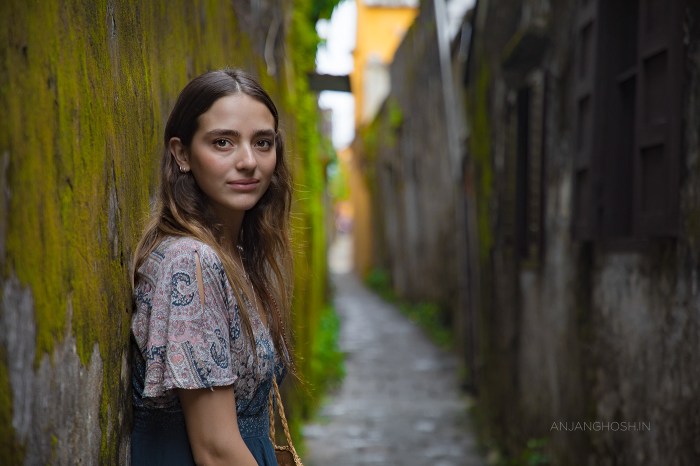
Crafting a successful portrait photography travel itinerary requires careful consideration of various factors, from location scouting and subject selection to logistical planning and equipment management. A well-structured itinerary ensures efficient use of time and maximizes opportunities for capturing compelling portraits. This involves balancing ambitious photographic goals with the realities of travel, including potential delays and unexpected circumstances.
A Sample 7-Day Kyoto Portrait Photography Itinerary
This itinerary focuses on capturing the diverse beauty of Kyoto, incorporating both iconic landmarks and hidden gems, with a focus on portraiture. It assumes a moderate pace, allowing for flexibility and spontaneous opportunities.
Day 1: Arrival and Gion Exploration
Arrive in Kyoto, check into accommodation, and begin exploring Gion, Kyoto’s geisha district. Focus on capturing portraits of the traditional architecture and, if fortunate, glimpses of geishas or maiko (apprentice geishas). Logistical considerations include obtaining necessary permits if photographing geishas directly, respecting their privacy, and being mindful of the district’s delicate atmosphere. Potential subjects include the wooden machiya houses, traditional lanterns, and, with permission and respect, the geishas themselves.
Day 2: Arashiyama Bamboo Grove and Tenryu-ji Temple
Spend the day in Arashiyama, capturing portraits amidst the iconic bamboo grove. The grove offers dramatic lighting and textural backgrounds. Tenryu-ji Temple provides a contrasting setting with its serene gardens and traditional architecture. Potential subjects include individuals amidst the bamboo, monks at the temple, and visitors enjoying the tranquil atmosphere. Logistical considerations include navigating crowds, especially during peak seasons, and obtaining necessary permits for commercial photography.
Day 3: Fushimi Inari Shrine and its Thousands of Gates
Explore Fushimi Inari Shrine, famous for its thousands of vibrant red torii gates winding up a mountain. The winding paths and varying light conditions offer diverse photographic opportunities. Potential subjects include individuals walking amidst the gates, capturing the scale and drama of the location. Logistical considerations include the steep climb and the potential for crowds, requiring stamina and patience.
Day 4: Kiyomizu-dera Temple and Higashiyama District
Photograph at Kiyomizu-dera Temple, known for its wooden stage and panoramic views. The Higashiyama district offers charming streets and traditional shops, providing opportunities for street portraits and environmental portraits. Potential subjects include visitors enjoying the temple views, locals in traditional attire, and the vibrant street life. Logistical considerations include managing crowds and respecting the sacred nature of the temple.
Day 5: Golden Pavilion (Kinkaku-ji) and Ryoan-ji Temple
Capture the iconic Golden Pavilion reflected in the pond. Ryoan-ji Temple’s Zen garden offers a stark contrast, providing opportunities for minimalist portraits. Potential subjects include visitors admiring the Golden Pavilion, individuals contemplating the Zen garden, and the architectural details of both locations. Logistical considerations include the popularity of these sites and potential crowds.
Day 6: Philosopher’s Path and Ginkaku-ji (Silver Pavilion)
Walk along the Philosopher’s Path, lined with cherry trees (best in spring), capturing portraits along the canal. Ginkaku-ji offers another opportunity for serene portraits within its beautiful gardens. Potential subjects include individuals strolling along the path, visitors enjoying the gardens, and the natural beauty of the surroundings. Logistical considerations include weather conditions and potential crowds.
Day 7: Departure
Review images, pack equipment, and depart from Kyoto. Allow ample time for airport transfers and check-in procedures.
Practical Tips for Organizing Equipment and Managing Logistics
Effective equipment organization and logistical planning are crucial for a smooth photography trip. This includes careful packing, efficient gear management, and anticipating potential challenges.
Prioritize lightweight and versatile equipment to minimize carrying weight and maximize mobility. Utilize packing cubes and specialized camera bags to organize gear efficiently. Regularly back up images to multiple storage devices to prevent data loss. Research local customs and regulations regarding photography, particularly in religious sites or sensitive areas. Consider purchasing a local SIM card for reliable internet access and communication.
Packing List for International Portrait Photography Trips
A comprehensive packing list ensures you have all the necessary equipment and supplies.
Camera Gear: Camera body(ies), lenses (portrait lenses are essential), extra batteries, memory cards, charger, cleaning kit.
Lighting: Portable lighting kit (speedlights or continuous lighting), light stands, modifiers (softboxes, umbrellas).
Accessories: Remote shutter release, tripod, extra straps, lens cleaning cloths, rain cover.
Clothing: Comfortable and versatile clothing suitable for the climate and planned activities.
Personal Items: Passport, visa (if required), travel insurance, medications, adapter plugs, first-aid kit.
Other Essentials: Notebook and pen for notes, comfortable walking shoes, sunscreen, insect repellent.
Engaging with Subjects and Capturing Authentic Portraits
Ethical and respectful engagement is paramount when photographing people in diverse cultural contexts. Building trust and obtaining informed consent are crucial for creating authentic portraits that avoid exploitation and cultural insensitivity. This section Artikels best practices for interacting with subjects and capturing meaningful images that celebrate the human experience.
Successfully engaging with subjects requires a nuanced approach that prioritizes respect and understanding. It’s not simply about taking a photograph; it’s about creating a connection and portraying individuals with dignity and accuracy. This involves understanding cultural norms, demonstrating genuine interest, and actively seeking consent.
Ethical Considerations and Best Practices
Respectful interaction hinges on several key principles. Firstly, always obtain informed consent before photographing anyone, especially in vulnerable communities. This means clearly communicating your intentions, explaining how the photograph will be used, and ensuring they understand they have the right to refuse. Secondly, be mindful of cultural sensitivities. Certain gestures, poses, or clothing may be considered inappropriate or disrespectful in specific cultures.
Thorough research and observation are vital to navigate these complexities. Finally, prioritize the well-being of your subjects. Avoid intrusive or exploitative practices, and ensure that your interactions leave a positive impact.
Techniques for Building Rapport and Obtaining Consent
Building rapport begins with non-verbal communication. A warm smile, a respectful bow, or a simple gesture of acknowledgement can go a long way in breaking the ice. Learn a few basic phrases in the local language; even a simple “hello” or “thank you” can demonstrate your respect and willingness to engage. Engage in genuine conversation, show interest in their lives, and listen attentively.
Explain your purpose clearly and concisely, emphasizing the positive aspects of your photography. Always obtain explicit consent, preferably in writing if possible, or documented with a witness if written consent is not feasible. Offer to show them the photograph afterwards, allowing them to see the image and express any concerns.
Examples of Successful Interactions in Diverse Cultural Contexts
Consider a scenario in a rural village in Nepal. Before taking photographs, I spent time observing and learning about their daily lives, participating in small conversations, and offering small gestures of kindness. I then explained my project, emphasizing my respect for their culture and traditions. I demonstrated this by showing them pictures I had taken elsewhere and explaining that I would use the images in a similar way to celebrate the people and their lives.
This approach fostered trust, leading to candid and meaningful portraits that authentically represented the community. In another instance, photographing street vendors in Marrakech, I initially engaged with them by purchasing their goods. This created a natural interaction, allowing me to build rapport before requesting to take their portraits. Offering a small gift or compensation (where appropriate and culturally acceptable) can be a gesture of respect, though never as a means of coercion.
Post-Processing and Presentation of Travel Portraits
Post-processing is a crucial step in elevating travel portraits from good to exceptional. It allows you to refine your images, correcting technical flaws and enhancing their artistic impact, ultimately reflecting your unique vision. Presenting these carefully crafted images effectively is equally important, ensuring your work reaches its intended audience and makes a lasting impression.The post-processing workflow involves several key stages, each contributing to the final result.
Effective presentation methods then translate this effort into impactful visual storytelling.
Post-Processing Workflow for Travel Portraits
A typical workflow begins with importing images into editing software. Popular choices include Adobe Lightroom and Adobe Photoshop, both offering powerful tools for non-destructive editing. Lightroom excels at batch processing and organizing large numbers of images, while Photoshop provides more advanced retouching capabilities. The process usually starts with basic adjustments like white balance correction, exposure fine-tuning, and contrast enhancement.
Then, more targeted adjustments might follow, such as selective color correction, sharpening, and noise reduction. Advanced techniques, such as frequency separation for detailed skin retouching or dodging and burning for subtle light adjustments, can further enhance the image. Finally, careful consideration of color grading and final sharpening completes the process. The specific techniques used will depend on the individual image and the photographer’s artistic style.
Methods for Presenting Travel Portraits
Several avenues exist for showcasing travel portraits. Photo books offer a tangible, high-quality presentation, ideal for personal archives or gifting. Online portfolios, hosted on platforms like Behance, Squarespace, or personal websites, provide broader reach and accessibility. They allow for easy sharing and updating of your work. Finally, exhibitions in galleries or online platforms offer a more formal setting to display your best work, often attracting attention from art collectors or curators.
The choice of presentation method depends on the photographer’s goals, target audience, and budget.
Creating a Compelling Online Portfolio
Building a strong online portfolio requires careful planning and execution. First, curate a selection of your best travel portraits, ensuring a cohesive visual style and storytelling narrative. The images should reflect your unique perspective and artistic skills. Next, choose a platform that suits your needs and technical abilities. A well-designed website offers maximum control, but simpler platforms like Behance or Instagram can be quicker to set up.
Ensure high-resolution images are used, presented consistently with appropriate titles and captions that provide context and emotional resonance. Consider the overall layout and user experience, ensuring easy navigation and a visually appealing design. Regular updates and engagement with viewers are vital for maintaining a dynamic and engaging portfolio. The use of optimization techniques can improve the visibility of your portfolio online, increasing its reach to a wider audience.
Top Urban Destinations and Related Aspects
Urban environments offer a captivating blend of architectural marvels, vibrant street life, and diverse cultural experiences, making them incredibly rich locations for portrait photography. This section delves into the best urban destinations for photographers, providing insights into nightlife photography, essential gear, architectural tours, street food markets, city travel hacks, metro systems, skyscraper viewpoints, urban photography tips, and ideal urban parks for portraits.
Top Ten Urban Destinations for Photographic Appeal
Numerous cities worldwide boast exceptional photographic appeal. The following list highlights ten standouts, considering architectural diversity, cultural richness, and overall visual interest. Each city offers unique photographic opportunities depending on the photographer’s style and interests.
- New York City, USA: A global icon, NYC offers a stunning mix of skyscrapers, iconic landmarks (Times Square, Brooklyn Bridge), and diverse neighborhoods, providing endless photographic opportunities.
- Paris, France: Known for its classic architecture, charming streets, and the Eiffel Tower, Paris is a photographer’s dream, offering both grand and intimate scenes.
- London, England: A blend of historical and modern architecture, London provides diverse backdrops, from Buckingham Palace to the trendy Shoreditch district.
- Tokyo, Japan: A futuristic city with vibrant neon lights, traditional temples, and bustling markets, Tokyo presents a unique juxtaposition of old and new.
- Rome, Italy: Rich in history and art, Rome offers iconic landmarks like the Colosseum and Trevi Fountain, alongside charming cobblestone streets.
- Kyoto, Japan: A city steeped in tradition, Kyoto features stunning temples, serene gardens, and geisha districts, providing a captivating visual experience.
- Barcelona, Spain: Gaudí’s architectural masterpieces, coupled with beautiful beaches and vibrant street life, make Barcelona a visually stunning city.
- Buenos Aires, Argentina: Known for its European-influenced architecture, vibrant tango culture, and colorful neighborhoods, Buenos Aires offers a unique Latin American aesthetic.
- San Francisco, USA: With its iconic Golden Gate Bridge, Victorian architecture, and hilly landscape, San Francisco offers dramatic and picturesque views.
- Hong Kong: A dynamic blend of skyscrapers, vibrant markets, and traditional Chinese architecture, Hong Kong offers a visually stimulating urban experience.
Best Cities for Nightlife Photography
Capturing the energy of a city at night requires strategic planning and knowledge of the best locations. Cities with diverse nightlife scenes and iconic illuminated landmarks are ideal.
- Las Vegas, Nevada, USA: The Strip’s dazzling lights and vibrant casinos provide unparalleled opportunities for nighttime photography.
- Tokyo, Japan: Shibuya Crossing’s vibrant neon lights and bustling crowds create a unique atmosphere at night.
- Hong Kong: The illuminated skyscrapers and harbor views offer breathtaking nighttime photography opportunities.
- London, England: Areas like Soho and Covent Garden offer a lively nightlife scene with illuminated streets and buildings.
- New York City, USA: Times Square’s bright lights and the illuminated skyline offer iconic nighttime shots.
Times for shooting vary depending on the specific location and lighting conditions, but generally, the period between sunset and midnight offers the best opportunities.
Shopping Guide for Photographers
Investing in quality gear is crucial for capturing stunning images. The following items are essential for urban photography.
- High-quality camera: A DSLR or mirrorless camera with good low-light performance is essential.
- Versatile lenses: A wide-angle lens for capturing expansive cityscapes and a telephoto lens for detailed shots are recommended.
- Tripod: A sturdy tripod is vital for sharp images, especially in low-light conditions.
- Extra batteries and memory cards: Essential to avoid missing shooting opportunities.
- Camera bag: A comfortable and protective camera bag is necessary for carrying equipment safely.
Popular Urban Architecture Tours for Photographers
Architectural tours tailored for photographers offer unique perspectives and insights into specific architectural styles.
- Art Deco Tours (Miami, New York City): Focus on the geometric designs and streamlined forms of Art Deco architecture.
- Gothic Architecture Tours (London, Paris): Explore the intricate details and grandeur of Gothic cathedrals and buildings.
- Modernist Architecture Tours (Barcelona, São Paulo): Showcase the innovative designs and functionality of modernist buildings.
- Bauhaus Architecture Tours (Germany): Explore the principles of Bauhaus design and its influence on modern architecture.
- Victorian Architecture Tours (London, San Francisco): Discover the ornate details and diverse styles of Victorian architecture.
Street Food Markets and Their Photographic Potential
Street food markets offer a vibrant mix of colors, textures, and aromas, creating excellent photographic opportunities.
- Bangkok, Thailand: The diverse street food scene offers a feast for the eyes and the camera.
- Mexico City, Mexico: The vibrant colors and aromas of the street food stalls are visually captivating.
- Istanbul, Turkey: The bustling markets offer a unique blend of cultures and culinary delights.
- Kuala Lumpur, Malaysia: The diverse range of street food reflects the city’s multicultural heritage.
- Lyon, France: The bouchons (traditional Lyonnaise restaurants) offer a unique culinary experience with visual appeal.
City Travel Hacks for Photographers
Improving efficiency and safety is crucial for a successful urban photography trip.
- Utilize public transportation: Avoid traffic congestion and save time and money.
- Charge your devices regularly: Carry portable chargers to ensure you never run out of battery.
- Research shooting locations beforehand: Plan your routes efficiently to maximize your time.
- Back up your photos regularly: Use cloud storage or external hard drives to protect your work.
- Be aware of your surroundings: Pay attention to your belongings and avoid risky situations.
Best Metro Systems for Adventurous Photography
Metro systems offer unique perspectives and photographic opportunities, but safety precautions are essential.
- Moscow Metro (Moscow, Russia): Known for its opulent stations, offering stunning architectural photography opportunities.
- London Underground (London, England): The historic stations and bustling platforms provide a unique urban setting.
- Paris Métro (Paris, France): The intricate tiling and vintage designs offer a visually appealing backdrop.
- New York City Subway (New York City, USA): The gritty and vibrant atmosphere offers a raw urban aesthetic.
- Stockholm Metro (Stockholm, Sweden): Many stations are decorated with art, providing a unique photographic experience.
Safety precautions include being aware of your surroundings, avoiding rush hour, and keeping valuables secure.
Skyscraper Destinations for Stunning Photographic Viewpoints
Skyscrapers offer unparalleled panoramic views of cities.
- Shanghai Tower (Shanghai, China): Offers breathtaking views of the Shanghai skyline.
- Burj Khalifa (Dubai, UAE): Provides panoramic views of the city and the surrounding desert.
- One World Trade Center (New York City, USA): Offers stunning views of the New York City skyline and harbor.
- Taipei 101 (Taipei, Taiwan): Provides panoramic views of Taipei and the surrounding mountains.
- Petronas Twin Towers (Kuala Lumpur, Malaysia): Offers stunning views of the Kuala Lumpur skyline.
Urban Photography Tips for Capturing Compelling Images
Mastering urban photography requires understanding light, composition, and subject matter.
- Utilize natural light: Golden hour (sunrise and sunset) offers warm and flattering light.
- Pay attention to composition: Use leading lines, rule of thirds, and symmetry to create visually appealing images.
- Capture the essence of the city: Focus on details that reflect the city’s unique character.
- Experiment with different perspectives: Shoot from high angles, low angles, and unusual viewpoints.
- Edit your photos thoughtfully: Enhance your images without over-processing.
Urban Parks and Green Spaces Ideal for Portrait Photography, Portrait Photography Travel Experiences
Urban parks provide tranquil settings for portraits, offering a contrast to the bustling city environment.
- Central Park (New York City, USA): Offers diverse landscapes, from formal gardens to sprawling meadows.
- Hyde Park (London, England): Provides a picturesque setting with iconic landmarks like Kensington Palace.
- Luxembourg Gardens (Paris, France): Offers a formal garden setting with fountains and sculptures.
- Golden Gate Park (San Francisco, USA): Offers a variety of landscapes, from Japanese tea gardens to museums.
- Ueno Park (Tokyo, Japan): Offers a mix of temples, museums, and tranquil gardens.
Ultimately, Portrait Photography Travel Experiences offer a rewarding fusion of artistic expression and personal exploration. By thoughtfully planning your itinerary, engaging respectfully with your subjects, and mastering the technical aspects of photography and post-processing, you can create a body of work that reflects both the beauty of your journey and the unique character of the individuals you meet. Remember, it’s not just about capturing images; it’s about creating lasting memories and sharing compelling stories through the power of portraiture.
Expert Answers: Portrait Photography Travel Experiences
What type of visa do I need for photography travel?
Visa requirements vary greatly depending on your nationality and destination. Check with the embassy or consulate of your destination country well in advance of your trip.
How do I handle unexpected equipment problems while traveling?
Carry essential repair tools and spare parts if possible. Research local camera repair shops beforehand, and consider travel insurance that covers equipment damage or loss.
What’s the best way to back up my photos while traveling?
Use multiple methods: cloud storage services, external hard drives, and consider on-site backups if available. Regularly transfer your images to ensure safety.
How do I protect my equipment from theft or damage?
Use sturdy camera bags, avoid displaying expensive equipment openly, and consider travel insurance that covers theft or loss.


