
Drone Photography Travel Guides unlock breathtaking perspectives, transforming ordinary travel snapshots into extraordinary aerial masterpieces. This guide explores the legal, technical, and creative aspects of using drones to capture stunning images of iconic cities, vibrant nightlife, and hidden urban gems. We’ll cover everything from essential safety procedures and legal considerations to advanced photography techniques and insider travel hacks, ensuring you capture unforgettable moments on your next adventure.
From mastering challenging nighttime shots to showcasing the intricate details of urban architecture, we provide a comprehensive roadmap for capturing awe-inspiring imagery. Learn how to leverage your drone’s capabilities to reveal unique perspectives, enhance your storytelling, and create truly unforgettable travel memories.
Drone Photography Travel Guides
Unlock breathtaking perspectives and capture the essence of your travels like never before with drone photography. This guide will equip you with the knowledge and techniques to elevate your travel photography to stunning new heights, transforming ordinary vacation snapshots into extraordinary visual narratives. We’ll explore the ease of use and remarkable capabilities of drones, making them accessible even to novice photographers.This guide provides a comprehensive roadmap to mastering drone photography on your adventures.
We’ll cover everything from choosing the right drone for your needs and understanding essential flight regulations to mastering advanced techniques for capturing captivating aerial shots. Each section is designed to build upon the previous one, taking you from beginner to confident drone pilot and photographer.
Drone Selection and Essential Equipment
Choosing the right drone is crucial for a successful travel photography experience. Factors to consider include portability, flight time, camera quality, and features such as obstacle avoidance and GPS. A compact, lightweight drone is ideal for ease of travel, while longer flight times allow for more extensive exploration. High-resolution cameras ensure sharp, detailed images, while features like obstacle avoidance add a layer of safety and peace of mind.
Consider drones like the DJI Mavic Mini series for portability and the DJI Air 2S for advanced features and image quality. In addition to the drone itself, essential equipment includes extra batteries, propellers, a carrying case, and appropriate memory cards for storing your high-resolution images. Remember to also invest in a reliable charging solution to keep your drone powered up throughout your travels.
Understanding Drone Regulations and Safety
Before taking to the skies, familiarize yourself with local drone regulations. These laws vary significantly from country to country and even within regions. Regulations often cover aspects like airspace restrictions, flight altitudes, and required registrations. Failing to comply with these regulations can result in fines or even legal repercussions. Always check the specific rules for your travel destination before flying.
Beyond legal compliance, prioritizing safety is paramount. Never fly near airports, crowded areas, or sensitive locations. Be mindful of weather conditions and always maintain visual contact with your drone. Regularly inspect your drone for any damage before each flight and ensure your batteries are in good condition.
Mastering Basic Drone Flight and Photography Techniques
Gaining proficiency in basic drone operation is fundamental. Practice in a safe, open area before venturing into more challenging environments. Start with simple maneuvers, gradually increasing the complexity of your flights. Mastering basic flight controls will build your confidence and allow you to focus on capturing compelling images. Familiarize yourself with different camera settings and shooting modes.
Experiment with different angles and perspectives to find creative compositions. Learn to utilize features such as intelligent flight modes, which can automate complex maneuvers and simplify the capture of stunning shots. Practice makes perfect, so dedicate time to hone your skills before embarking on your travels.
Legal and Safety Considerations for Drone Flying
Operating a drone for photography, while offering breathtaking perspectives, necessitates a thorough understanding of legal frameworks and safety protocols. Ignoring these aspects can lead to legal repercussions, accidents, and damage to property or even injury. This section details crucial regulations and procedures to ensure responsible and safe drone operation.
Drone Regulations and Laws by Region
International drone regulations vary significantly. Each country, and sometimes even individual states or regions, has its own specific rules regarding drone operation. These regulations often cover aspects such as registration, licensing, permitted flight zones, maximum altitudes, and proximity to airports and other sensitive areas. For example, in the United States, the Federal Aviation Administration (FAA) requires registration for most drones and mandates adherence to specific flight rules.
Similarly, in Europe, the European Union Aviation Safety Agency (EASA) sets standards that member states must implement. Before flying in any location, it’s crucial to research and understand the local laws applicable to drone operation. Failure to comply with these regulations can result in hefty fines, drone confiscation, and even criminal charges. Websites such as the FAA website (for the US) and the EASA website (for Europe) provide comprehensive information on their respective drone regulations.
Additionally, many countries have dedicated civil aviation authorities that provide detailed guidelines for drone pilots.
Essential Safety Procedures for Drone Operation, Drone Photography Travel Guides
Safe drone operation requires a multi-faceted approach encompassing pre-flight checks, in-flight awareness, and emergency procedures. Pre-flight checks should include verifying battery levels, inspecting the drone for any damage, ensuring proper GPS signal acquisition, and confirming that all propellers are securely attached. During flight, maintaining visual line of sight is paramount, especially for beginners. Understanding and respecting wind conditions is also crucial; strong winds can easily cause a drone to crash or become uncontrollable.
Furthermore, familiarizing oneself with emergency protocols, such as the procedures for losing signal or experiencing a malfunction, is essential for mitigating potential risks. Having a backup plan, such as a safe landing spot, is also a good safety practice. Regularly practicing emergency procedures in a controlled environment can help build confidence and improve reaction time in unforeseen situations.
Responsible Drone Usage: Privacy and Environmental Considerations
Responsible drone operation extends beyond simply adhering to regulations; it involves considering the privacy and environmental impact of drone flights. Respecting the privacy of individuals is paramount. Avoid flying over private property without explicit permission, and never use drones to record individuals without their consent. This is particularly crucial in areas where people have a reasonable expectation of privacy, such as residential neighborhoods or private events.
Furthermore, consider the environmental impact. Avoid disturbing wildlife, particularly during sensitive periods like breeding seasons. Be mindful of potential noise pollution, especially in quiet areas or near protected natural habitats. Using drones responsibly demonstrates a commitment to both ethical flying and environmental stewardship. Remember that the images captured with a drone can have significant legal and ethical implications, so always act with consideration for others and the environment.
Top Urban Destinations for Drone Photography
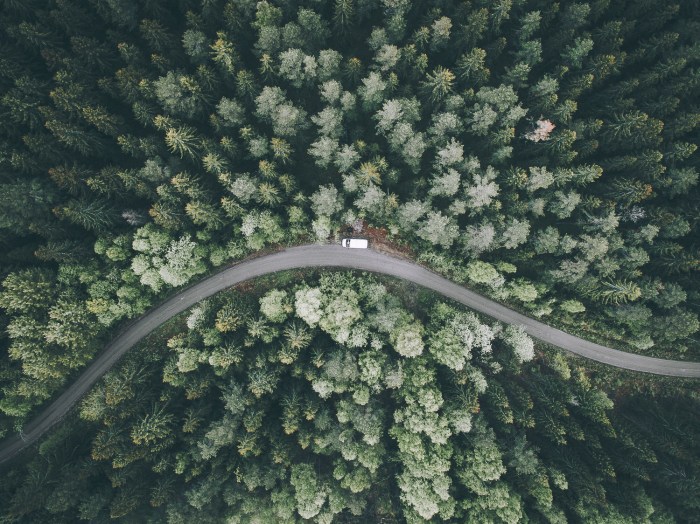
Capturing the breathtaking skylines and intricate details of major cities from a unique aerial perspective offers unparalleled photographic opportunities. Drone photography allows us to see familiar urban landscapes transformed, revealing hidden symmetries and the sheer scale of human creation. This section explores some of the best urban destinations for capturing stunning drone footage.
Top Urban Destinations for Drone Photography Table
Choosing the right city for your drone photography adventure depends on your preferred style and the type of shots you want to achieve. The table below highlights four diverse cities, each offering a unique set of photographic possibilities. Remember to always check local drone regulations before flying.
| City | Notable Landmarks | Best Drone Shot Locations | Photography Tips |
|---|---|---|---|
| Dubai, UAE | Burj Khalifa, Palm Jumeirah, Burj Al Arab | Jumeirah Beach Residence, Dubai Marina, Dubai Creek | Capture the city’s futuristic architecture at sunrise or sunset for optimal lighting. Use a wide-angle lens to encompass the scale of the structures. Experiment with long exposures to create light trails from traffic. |
| New York City, USA | Empire State Building, Statue of Liberty, Central Park | Overlooking Central Park, the Hudson River, Brooklyn Bridge | Plan your flight carefully due to airspace restrictions. Capture the iconic skyline at different times of day to showcase the city’s dynamic energy. Utilize ND filters to manage the bright city lights. |
| Hong Kong, China | Victoria Peak, Hong Kong Island, skyscrapers of Central | Victoria Harbour, overlooking the city from the hills, various rooftop vantage points | Shoot during the “golden hour” for dramatic lighting on the skyscrapers. Capture the vibrant energy of the city at night with long exposures to highlight the neon lights. Be mindful of the dense buildings and potential obstructions. |
| Paris, France | Eiffel Tower, Louvre Museum, Notre Dame Cathedral | Champ de Mars, banks of the Seine River, Montmartre | Capture the classic Parisian architecture and the Seine River’s meandering path. Consider shooting during less crowded times for cleaner shots. Use a longer lens to isolate specific landmarks against the backdrop of the city. |
Examples of Stunning Drone Photography
Imagine a shot of the Dubai skyline at sunset. The Burj Khalifa, a slender spire piercing the sky, is bathed in the warm hues of the setting sun. The Palm Jumeirah, an artificial archipelago, stretches out into the Persian Gulf, its intricate design clearly visible from above. The reflection of the city lights on the water creates a mesmerizing effect.
This image conveys the sheer scale and ambition of modern urban development.Another example could be a photograph of Central Park in New York City. The green expanse of the park is a stark contrast to the towering skyscrapers that surround it. The drone shot captures the intricate pathways, the various bodies of water, and the different architectural styles of the buildings bordering the park.
This image highlights the harmonious coexistence of nature and urban development within a densely populated city.A nighttime shot of Hong Kong’s Victoria Harbour is truly breathtaking. The countless skyscrapers, each a beacon of light, create a dazzling tapestry against the dark night sky. The vibrant colors and reflections on the water create a dynamic and energetic scene. This image captures the city’s pulse and energy, conveying its vibrant culture and economic power.Finally, a drone shot of the Eiffel Tower in Paris, viewed from the Champ de Mars, captures the iconic structure in all its glory.
The surrounding Parisian architecture, the Seine River, and the lush greenery create a beautiful and romantic setting. This image is a classic example of how drone photography can capture the essence of a city’s charm and history.
Best Cities for Nightlife Drone Photography: Drone Photography Travel Guides
Capturing the vibrant energy of a city at night through the lens of a drone offers a unique perspective, transforming familiar skylines into breathtaking displays of light and movement. The best cities for this type of photography boast a compelling combination of architectural marvels, dynamic lighting, and a lively nocturnal atmosphere. These elements, when captured skillfully, create truly unforgettable images.Nightlife drone photography presents several unique challenges, demanding careful planning and technical proficiency.
The low light conditions require specialized camera settings and potentially additional equipment to achieve sharp, well-exposed images. Furthermore, navigating the airspace at night introduces safety considerations that must be carefully addressed.
Cities Ideal for Nighttime Drone Photography
Five cities stand out for their exceptional suitability for nighttime drone photography. Their diverse architectural styles, extensive nighttime illuminations, and bustling nightlife create ideal conditions for capturing stunning aerial shots. These cities provide a variety of photographic opportunities, from capturing the intricate details of illuminated landmarks to showcasing the flow of traffic and the movement of people below.
- Las Vegas, Nevada, USA: The dazzling lights of the Las Vegas Strip, with its iconic casinos and hotels, create a vibrant spectacle at night. The city’s meticulously planned lighting design provides ample opportunity for dramatic and colorful drone shots.
- Hong Kong, China: The dense cityscape of Hong Kong, with its towering skyscrapers and vibrant neon signs, is a photographer’s dream, especially at night. The interplay of light and shadow, combined with the city’s unique topography, creates visually striking images.
- Tokyo, Japan: Tokyo’s futuristic skyline, punctuated by illuminated skyscrapers and intricate street lighting, offers a unique aesthetic. The city’s blend of traditional and modern architecture adds depth and complexity to nighttime drone shots.
- Dubai, United Arab Emirates: Dubai’s modern architecture, with its sleek skyscrapers and extravagant lighting displays, makes it a prime location for nighttime drone photography. The city’s meticulously planned urban design provides a visually stunning backdrop.
- London, England: London’s historic landmarks, such as the Houses of Parliament and the London Eye, are beautifully illuminated at night, providing a stunning contrast against the modern cityscape. The Thames River, reflecting the city lights, adds another layer of visual interest.
Challenges of Nighttime Drone Photography and Their Solutions
Nighttime drone photography presents significant technical challenges. The primary obstacle is the low light environment, which necessitates specific adjustments to camera settings and potentially the use of additional equipment. Furthermore, navigating in low-visibility conditions requires heightened awareness and careful planning.
- Low Light Conditions: The low light levels at night significantly impact image quality. Solutions include using a drone with a large sensor camera, increasing the ISO setting (while being mindful of noise), using a longer exposure time (requiring a stable platform to avoid motion blur), and potentially employing external lighting sources (though this must be done carefully and legally).
- Navigation and Safety: Flying a drone at night presents unique safety challenges. Solutions include using high-quality GPS, ensuring the drone’s lights are functional and visible, flying in well-lit areas, and adhering to all local regulations and airspace restrictions.
- Battery Life: Drones generally have shorter battery life at night due to increased energy consumption from camera settings and other systems. Solutions include using high-capacity batteries, planning shorter flights, and carrying spare batteries.
Tips for Capturing Breathtaking Night Shots
Achieving stunning nighttime drone photography requires careful consideration of several key techniques. Mastering long exposure photography and capturing light trails are crucial for creating dramatic and visually captivating images.
- Long Exposures: Long exposures allow the camera to gather more light, resulting in brighter and more detailed images. This technique is particularly effective for capturing the movement of city lights and creating a sense of motion blur. It’s crucial to use a stable platform (perhaps a tripod for the camera) or a drone with good stabilization to avoid blurring from camera shake.
- Light Trails: Capturing light trails from moving vehicles or other light sources adds dynamism and visual interest to nighttime shots. This is achieved through long exposures, with the movement of light sources creating streaks of color across the image. Careful composition is essential to ensure the light trails enhance the overall composition rather than detract from it.
- Manual Settings: Using manual camera settings provides greater control over exposure, aperture, and ISO, allowing for fine-tuning to achieve the desired effect. This is especially important in low-light situations where automatic settings may not be optimal.
- Composition and Framing: Careful composition is crucial to creating visually compelling images. Consider the placement of light sources, leading lines, and other elements within the frame to create a balanced and visually appealing composition.
Drone Photography Techniques for Urban Environments
Capturing compelling drone footage in urban areas requires a nuanced understanding of both aerial photography and the unique challenges presented by densely populated environments. This section will explore various techniques to effectively utilize your drone and achieve stunning results, focusing on achieving specific visual effects and utilizing drone features to overcome common obstacles. Successful urban drone photography balances creative vision with safe and responsible operation.Urban drone photography offers a unique perspective, allowing you to capture the intricate details and grand scale of cityscapes.
Different techniques are employed depending on the desired effect and the specific environment. Understanding your drone’s capabilities and mastering various flight modes and camera settings is crucial for consistently high-quality images.
Aerial Perspectives in Urban Photography
Achieving compelling aerial perspectives in urban settings involves careful planning and execution. The optimal altitude and angle will vary depending on the subject and the surrounding environment. Low-altitude shots can emphasize the texture and detail of buildings and streets, while higher altitudes showcase the overall layout and scale of the city. For instance, a low, sweeping shot along a river showcasing the reflection of skyscrapers provides a different aesthetic than a high-altitude shot depicting the city’s grid-like structure.
Consider using specific flight modes, such as “Point of Interest” or “Orbit,” to automate smooth, cinematic movements around key landmarks. These modes allow for consistent, professional-looking shots without demanding constant manual control.
Close-Up Shots and Architectural Detail
While wide, sweeping shots establish context, close-up shots provide intricate detail. Using your drone’s zoom capabilities (if available) allows you to highlight specific architectural features, such as intricate carvings on a building facade or the unique design of a bridge. Careful attention to lighting is critical; the time of day and the angle of the sun will dramatically impact the quality of your close-ups.
Shooting during the “golden hour” (sunrise or sunset) often provides the most flattering light for architectural photography. Remember to maintain a safe distance from buildings and other structures while capturing close-up shots.
Utilizing Drone Features for High-Quality Images
Modern drones offer a range of features designed to enhance image quality. Understanding and utilizing these features is crucial for professional results. For example, using the drone’s “Intelligent Flight Modes” such as “Tripod Mode” allows for incredibly stable shots, even in windy conditions, perfect for close-ups. Proper camera settings are also crucial. Adjusting the ISO, shutter speed, and aperture based on lighting conditions ensures optimal exposure and minimizes noise in your images.
Experimentation is key; learning the relationship between these settings and the resulting image quality will significantly improve your skills. High dynamic range (HDR) imaging can also help capture details in both bright and dark areas of a scene, particularly useful in urban environments with contrasting light and shadow.
Creating a Sense of Scale and Emphasizing Architectural Details
The ability to effectively convey scale and highlight architectural details is a hallmark of successful urban drone photography. This can be achieved through a variety of techniques. For example, including a human element (such as a person walking down a street) in a wide shot provides a sense of scale, emphasizing the size of the surrounding buildings. Similarly, using low-angle shots looking upwards towards towering structures can create a dramatic sense of height and grandeur.
Strategic use of leading lines, such as roads or rivers, can guide the viewer’s eye through the image, enhancing the overall composition. Careful consideration of framing and composition, employing the rule of thirds, can elevate even simple shots into striking images.
Urban Architecture Tours Through a Drone’s Lens
Drone photography offers a unique perspective on urban architecture, allowing us to appreciate the intricate details and overall grandeur of iconic structures in a way never before possible. By soaring above the city, we gain a comprehensive understanding of the spatial relationships between buildings and the urban landscape, revealing hidden symmetries and design elements that ground-level views simply cannot capture.
This elevated perspective transforms familiar structures into breathtaking works of art, inviting a deeper appreciation for their design and historical context.
The following iconic architectural landmarks, viewed through the lens of a drone, illustrate the transformative power of this technology in showcasing the beauty and complexity of urban architecture.
Ten Iconic Architectural Landmarks for Drone Photography
This selection represents a diverse range of architectural styles and historical periods, showcasing the global reach and enduring impact of innovative design. Each landmark offers unique photographic opportunities, highlighting the versatility and capabilities of drone technology in capturing architectural details.
- The Burj Khalifa, Dubai: This towering skyscraper, a marvel of modern engineering, showcases the ambition and scale of contemporary architecture. Drone photography can capture its impressive height and intricate facade details, emphasizing its slender profile against the desert landscape.
- The Eiffel Tower, Paris: An enduring symbol of France, the Eiffel Tower’s intricate iron latticework and elegant silhouette are dramatically enhanced by aerial perspectives. Drone footage can showcase the tower’s delicate structure and its relationship to the surrounding cityscape.
- The Colosseum, Rome: This ancient amphitheater, a testament to Roman engineering prowess, reveals its vast scale and architectural complexity from above. Drone photography can highlight the elliptical shape, the tiers of seating, and the surrounding ruins, providing a comprehensive view of this historical landmark.
- The Taj Mahal, Agra: This breathtaking mausoleum, a masterpiece of Mughal architecture, showcases the beauty of symmetry and intricate detail. Drone photography can capture the reflective pools, the surrounding gardens, and the mausoleum’s stunning white marble facade, emphasizing its overall grandeur.
- The Sydney Opera House, Sydney: The iconic sail-like design of the Sydney Opera House is best appreciated from above. Drone footage can reveal the unique interplay of light and shadow on its expressive curves, highlighting its innovative design and its harmonious integration with the harbor setting.
- The Sagrada Familia, Barcelona: Antoni Gaudí’s unfinished masterpiece, the Sagrada Familia, is a stunning example of Catalan Modernism. Drone photography can capture the breathtaking complexity of its facades, the soaring spires, and the intricate details of its organic forms.
- The Empire State Building, New York City: A symbol of Art Deco architecture, the Empire State Building’s streamlined design and imposing height are perfectly captured from an aerial perspective. Drone footage can showcase its impressive height and the surrounding cityscape, highlighting its place within the urban fabric.
- The Great Pyramid of Giza, Egypt: One of the Seven Wonders of the Ancient World, the Great Pyramid’s immense scale and precise construction are best appreciated from a distance. Drone photography can capture the pyramid’s majestic presence against the desert landscape, revealing its impressive size and the surrounding archeological site.
- The Petronas Twin Towers, Kuala Lumpur: These iconic skyscrapers, symbols of Malaysia’s economic growth, are visually stunning from above. Drone footage can capture their symmetrical design and their imposing presence against the backdrop of the Kuala Lumpur skyline.
- The Fallingwater, Pennsylvania: Frank Lloyd Wright’s masterpiece of organic architecture is dramatically showcased by drone photography. The aerial perspective reveals the house’s unique integration with the surrounding waterfall and landscape, emphasizing its innovative design and harmonious relationship with nature.
Ultimately, Drone Photography Travel Guides empowers you to transcend the limitations of ground-level photography and capture the world from a truly unique vantage point. By combining responsible drone operation with creative vision, you can create stunning visual narratives that capture the essence of your travels and inspire others to explore the world through a new lens. Embrace the challenge, hone your skills, and let your aerial adventures begin!
Quick FAQs
What type of drone is best for travel photography?
The ideal drone depends on your budget and needs. Smaller, foldable drones are great for portability, while larger models offer longer flight times and better camera quality.
How do I obtain necessary permits for flying drones internationally?
Drone regulations vary significantly by country. Research local laws and obtain any required permits well in advance of your trip. Check with local aviation authorities for specific requirements.
What are some essential accessories for drone travel photography?
Essential accessories include extra batteries, propellers, a carrying case, and possibly ND filters for managing bright sunlight.
How can I improve my drone photography editing skills?
Practice editing your photos using software like Adobe Lightroom or Photoshop. Experiment with different settings to improve color, contrast, and sharpness.


