
Sustainable Winery Tours Worldwide offer a unique blend of indulgence and responsibility. This exploration delves into the global landscape of eco-conscious wine tourism, examining the environmental, social, and economic dimensions of this burgeoning industry. We will uncover the diverse experiences available, from budget-friendly adventures to luxurious escapes, highlighting the commitment to sustainability practiced by wineries around the world.
From the rolling hills of Tuscany to the sun-drenched vineyards of Napa Valley, sustainable wineries are increasingly adopting practices that minimize their environmental impact while enriching local communities. This journey will examine various sustainable practices, including water conservation, waste reduction, and the use of renewable energy. We’ll also explore the economic benefits of this type of tourism, the cultural preservation efforts, and how travelers can contribute to a more sustainable future by choosing these tours.
Defining Sustainable Winery Tours
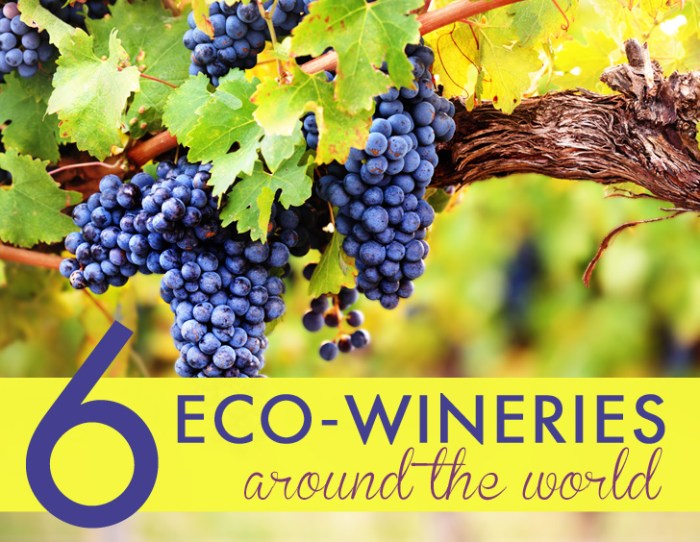
Sustainable winery tours represent a holistic approach to wine tourism, integrating environmental responsibility, social equity, and economic viability. Unlike conventional tours, which may prioritize solely the experience of wine tasting, sustainable tours actively strive to minimize their negative impact and maximize their positive contribution to the local community and environment. This commitment extends beyond simply offering organic wines; it encompasses the entire visitor experience, from transportation to waste management.Sustainable winery tours prioritize minimizing their environmental footprint.
This includes responsible water and energy use, waste reduction and recycling programs, protection of biodiversity, and sustainable agricultural practices within the vineyard. Socially responsible practices ensure fair wages and working conditions for employees, support local communities through partnerships and sourcing, and respect cultural heritage. Economically, sustainable wineries focus on long-term viability, ensuring fair pricing and reinvesting profits into sustainable practices.
Environmental Aspects of Sustainable Winery Tours
The environmental focus of sustainable winery tours is multifaceted. Wineries employ methods like rainwater harvesting, utilizing solar energy for powering facilities, and implementing composting programs to reduce waste. Vineyard management often incorporates organic or biodynamic farming techniques, minimizing pesticide and herbicide use, promoting soil health, and protecting beneficial insects and pollinators. Furthermore, many sustainable wineries actively participate in carbon offsetting programs to neutralize their carbon emissions.
For example, a winery might plant trees to absorb carbon dioxide released during its operations. The goal is to create a harmonious balance between wine production and the preservation of the natural environment.
Social Equity in Sustainable Winery Tours
Sustainable winery tours emphasize fair labor practices and community engagement. This means providing fair wages and benefits to employees, fostering a positive and inclusive work environment, and sourcing products and services from local businesses. Tours often highlight the cultural heritage of the region, providing educational opportunities for visitors and contributing to the preservation of local traditions. For instance, a tour might include a visit to a local artisan workshop showcasing traditional crafts or a presentation on the history of winemaking in the area.
This social responsibility contributes to the overall well-being of the community and enhances the authenticity of the visitor experience.
Economic Viability of Sustainable Winery Tours, Sustainable Winery Tours Worldwide
The economic dimension of sustainable winery tours focuses on long-term profitability while supporting the local economy. Sustainable wineries often invest in energy-efficient technologies and waste reduction strategies, leading to cost savings in the long run. Fair pricing policies ensure that the winery can maintain profitability while also providing value to consumers. By supporting local businesses and employing local people, these tours contribute to the economic vitality of the region.
This creates a virtuous cycle where economic sustainability supports environmental and social sustainability, ensuring the long-term health and prosperity of the entire wine region.
Benefits for Travelers and the Environment
Choosing a sustainable winery tour offers numerous benefits for both the traveler and the environment. Travelers contribute to a more responsible and ethical tourism industry, supporting businesses committed to environmental protection and social justice. They enjoy a more authentic and enriching experience, learning about the local culture, history, and environmental stewardship. Simultaneously, choosing sustainable tours reduces the environmental impact of tourism, minimizing carbon emissions, water consumption, and waste generation.
The cumulative effect of many travelers making conscious choices can significantly contribute to the long-term sustainability of wine regions worldwide.
Global Distribution of Sustainable Wineries
The global movement towards sustainable wine production is geographically diverse, reflecting varying environmental conditions, cultural practices, and consumer demands. While some regions have embraced sustainable practices more readily than others, a worldwide network of wineries is committed to minimizing their environmental impact and promoting responsible viticulture. Understanding this distribution allows us to appreciate the diverse approaches to sustainability within the wine industry.
A hypothetical map illustrating the global distribution of sustainable wineries would show a concentration in several key wine-producing regions. Imagine a world map where darker shades of green represent a higher density of sustainable wineries. Europe, particularly France, Italy, and Spain, would show vibrant green hues, indicating a significant presence of sustainable wineries. Similarly, regions in the Americas, such as California, Oregon, and Chile, would display notable concentrations.
Australia and New Zealand would also exhibit pockets of significant activity. Areas in South Africa and Argentina would show promising growth in sustainable wine production. The map would highlight not only the sheer number of wineries but also the unique environmental challenges and solutions employed in each region.
Top Three Regions with the Highest Concentration of Sustainable Wineries
Several factors contribute to the success of sustainable winemaking in specific regions. These factors often intertwine, creating a synergistic effect that encourages widespread adoption of sustainable practices. Access to resources, consumer demand, and governmental support all play crucial roles.
While precise rankings fluctuate, three regions consistently stand out: Europe (particularly France, Italy, and Spain), California (USA), and parts of Australia. In Europe, a long history of viticulture has fostered a deep understanding of the land and a strong connection to traditional practices, many of which inherently align with sustainability principles. California’s robust agricultural sector and progressive consumer base have driven innovation in sustainable viticulture, leading to widespread adoption of water-efficient irrigation and organic farming techniques.
In Australia, a combination of government incentives and industry-led initiatives have fueled the growth of sustainable wineries, particularly in regions facing water scarcity. The success of these regions is a testament to the interplay between established practices, consumer preferences, and supportive policy environments.
Comparison of Sustainability Practices Across Wine-Producing Regions
Sustainability practices in wine production vary considerably depending on the specific region’s environmental context, cultural norms, and economic factors.
For instance, water management is a critical concern in arid regions like parts of Australia and Chile, leading to the adoption of drip irrigation and water-recycling technologies. In contrast, regions with abundant rainfall, such as parts of France, may focus more on soil health and biodiversity conservation. Organic and biodynamic farming practices are gaining traction globally but their adoption rates differ significantly across regions.
Some regions, like parts of Italy, have a long tradition of organic farming, while others are still in the process of transitioning. Similarly, the use of renewable energy sources, such as solar power, is more prevalent in some regions than others, reflecting differences in access to technology and government incentives. The differences highlight the need for region-specific approaches to sustainable winemaking, acknowledging the unique challenges and opportunities in each area.
Types of Sustainable Winery Tour Experiences: Sustainable Winery Tours Worldwide
Sustainable winery tours offer a diverse range of experiences, catering to various traveler preferences and budgets. The key is to showcase the winery’s commitment to environmental responsibility and social equity while providing a memorable and engaging experience for visitors. This involves careful consideration of the tour’s design, activities, and overall impact.
Different tour types can be designed to appeal to specific traveler profiles, offering unique activities and highlighting various aspects of sustainable winemaking. Below are three distinct itineraries illustrating this approach.
Luxury Sustainable Winery Tour Itinerary
This itinerary focuses on providing an exclusive and high-end experience, emphasizing the quality of the wine, the elegance of the setting, and the sophistication of the activities. It prioritizes personalized service and exceptional amenities.
The tour would begin with a private chauffeured transfer to a prestigious, sustainably-certified winery nestled in a picturesque vineyard. Guests would enjoy a private tasting of rare vintages, paired with gourmet cuisine prepared with locally-sourced, organic ingredients. A guided tour of the vineyard would highlight the winery’s sustainable practices, followed by a private wine blending workshop led by the winery’s chief winemaker.
The day would conclude with a luxurious stay at a nearby boutique hotel or a private villa within the vineyard.
Budget-Friendly Sustainable Winery Tour Itinerary
This itinerary offers an accessible and affordable experience, focusing on providing a genuine and educational introduction to sustainable winemaking. It emphasizes value for money and a focus on learning.
The tour would involve a group visit to a smaller, family-run winery known for its commitment to sustainable practices. The itinerary would include a guided tour of the vineyard and winery, focusing on the practical aspects of sustainable farming and wine production. A tasting of the winery’s wines would be included, along with a simple lunch prepared with locally-sourced ingredients.
Participants could engage in activities like harvesting grapes (seasonally) or assisting with other tasks, providing a hands-on experience of sustainable winemaking. Transportation would be arranged using public transport or carpooling options to reduce environmental impact.
Adventure Sustainable Winery Tour Itinerary
This itinerary offers an active and engaging experience, blending the exploration of nature with the enjoyment of wine. It focuses on outdoor activities and immersive experiences.
This tour would involve a hike or bike ride through the vineyards, followed by a visit to a sustainably-operated winery. Activities could include a guided tour focusing on the biodiversity of the vineyard ecosystem, a foraging walk identifying edible plants and herbs used in the winery’s cuisine, or a kayaking trip along a nearby river or lake. The tour would conclude with a tasting of the winery’s wines, enjoyed amidst the natural beauty of the surroundings.
Transportation could involve cycling or hiking portions of the journey, further emphasizing the eco-friendly aspect.
Examples of Sustainable Winery Tour Activities
The following table summarizes examples of unique and innovative sustainable winery tour activities, categorized by tour type and target audience.
| Tour Type | Activities | Sustainability Features | Target Audience |
|---|---|---|---|
| Luxury | Private wine blending workshop, gourmet meal with locally-sourced ingredients, chauffeured transport in electric vehicle, stay at eco-friendly hotel | Use of electric vehicles, locally sourced food, sustainable winery certification | Affluent travelers seeking exclusive experiences |
| Budget-Friendly | Vineyard tour focusing on sustainable practices, hands-on participation in vineyard tasks (seasonal), tasting of locally produced wines, public transport or carpooling | Emphasis on educational aspects of sustainable winemaking, use of public transport or carpooling, support of local businesses | Budget-conscious travelers interested in learning about sustainable winemaking |
| Adventure | Vineyard hike or bike ride, foraging walk, kayaking trip, tasting of organic wines | Emphasis on outdoor activities, promotion of local biodiversity, use of non-motorized transportation options | Active travelers interested in nature and sustainable tourism |
Ultimately, embracing sustainable winery tours represents a conscious choice to experience the world of wine in a responsible and enriching manner. By supporting wineries committed to sustainability, travelers contribute to the preservation of both the environment and the unique cultural heritage of wine-producing regions. This mindful approach to tourism ensures the longevity of this beloved tradition, offering future generations the opportunity to enjoy the pleasures of wine alongside a healthy planet and thriving communities.
Essential FAQs
What certifications should I look for to ensure a winery is truly sustainable?
Look for certifications like B Corp, LEED, or those specific to sustainable winemaking practices within the region. However, even without formal certifications, many wineries are implementing sustainable practices; inquire directly about their efforts.
Are sustainable winery tours more expensive than traditional ones?
Pricing varies widely. While some may be slightly more expensive due to the added costs of sustainable practices, many offer comparable or even competitive pricing, demonstrating that sustainability doesn’t necessarily mean a premium price tag.
How can I offset my carbon footprint when traveling to a winery?
Consider carbon offsetting programs to compensate for your travel emissions. Choose wineries that are locally accessible to reduce travel time and distance. Opt for public transport or carpooling whenever possible.
What types of activities are typically offered on sustainable winery tours beyond wine tasting?
Many tours incorporate activities like vineyard hikes, farm-to-table meals, visits to local markets, wildlife viewing, and educational sessions on sustainable winemaking practices.


